
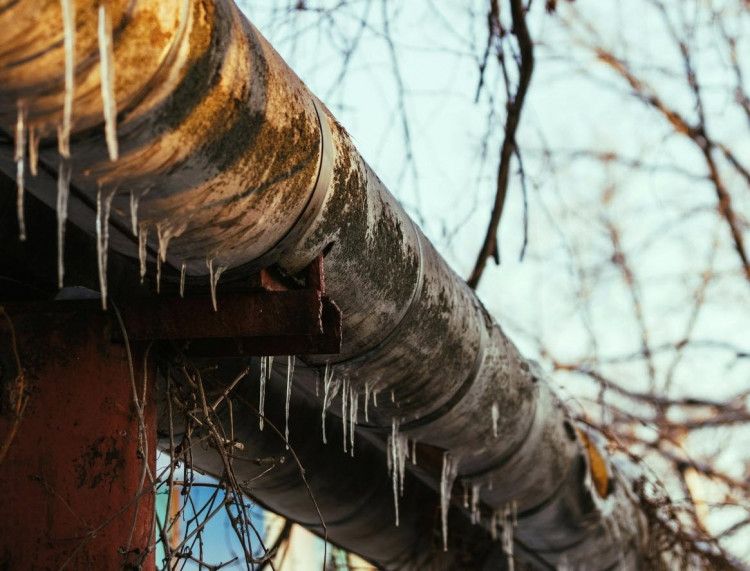
Worried about your pipes freezing this winter? Discover how to prevent pipes from freezing with essential strategies that can save you from expensive repairs. This guide provides easy-to-follow tips to keep your pipes safe and functional throughout the winter months.
Key Takeaways
- Insulating water pipes and maintaining higher indoor temperatures are essential strategies to prevent freezing.
- Draining water from outdoor lines and allowing faucets to drip further reduce the risk of freeze-ups during severe cold.
- If a pipe bursts, shutting off the main water valve and contacting a licensed plumber are critical for minimizing damage.
Essential Tips to Prevent Pipes from Freezing
When temperatures plummet, proactive measures can save you from the headache and expense of frozen pipes. Key strategies include insulating water pipes, maintaining higher indoor temperatures, and draining water from outdoor lines. These steps help keep water supply lines intact and functional throughout winter.
These essential tips significantly reduce the risk of pipes freezing and leaking. Here is how each preventive measure protects your plumbing.
Insulate Water Pipes
One of the most effective ways to prevent pipes from freezing is to insulate them. Wrapping pipes with foam sleeves or approved heat tape helps maintain their temperature, even in very cold weather. This is especially important for pipes in unheated areas such as basements, attics, and crawl spaces.
Durable pipe insulation reduces freezing risk and improves the efficiency of water supply lines. Keeping heat in and cold out helps water flow freely and prevents burst pipes.
Maintain Higher Temperatures
A consistent indoor temperature is another important defense against frozen pipes:
- Set your thermostat to at least 55°F for basic protection.
- Keep the heat on even when you are away during cold weather.
- Circulate warm air throughout the home to reduce the chance of pipe freezing.
Avoid drastic drops in heating because sudden temperature changes increase the risk of frozen pipes. Consistency helps water supply pipes remain at a safe temperature.
Drain Water from Outdoor Lines
Drain swimming-pool supply lines, sprinkler lines, and other outdoor plumbing before winter. Water left inside can freeze, expand, and crack or burst the pipe.
Disconnect and drain garden hoses before the first freeze, and make sure outdoor hose bibs and exposed pipes are free of standing water.
Thawing Frozen Pipes Safely
Despite your best efforts, pipes can still freeze. If you suspect a frozen pipe, turn off the water at the main shutoff valve. Use gentle heat sources and avoid open flames, which can cause fire or damage the pipe.
Safe thawing methods can restore water flow while minimizing the risk of a burst. Follow these steps carefully.
Locate the Frozen Area
Pipes against exterior walls or in unheated basements and crawl spaces are especially vulnerable. Check for sections that feel unusually cold or have visible frost. Open the affected faucet so melting water and pressure can escape as the pipe thaws.
Apply Heat Carefully
Use an electric heating pad wrapped around the pipe or a hair dryer on a low setting, kept at least six inches away. Work gradually until full water pressure returns. Towels soaked in hot water can also melt ice slowly and evenly.
Avoid Open Flame Devices
Never use a blowtorch, kerosene or propane heater, or another open-flame device to thaw a pipe. Open flames create a serious fire hazard and can weaken pipe material. If needed, use a portable space heater kept safely away from flammable materials.
Additional Precautions During Severe Cold
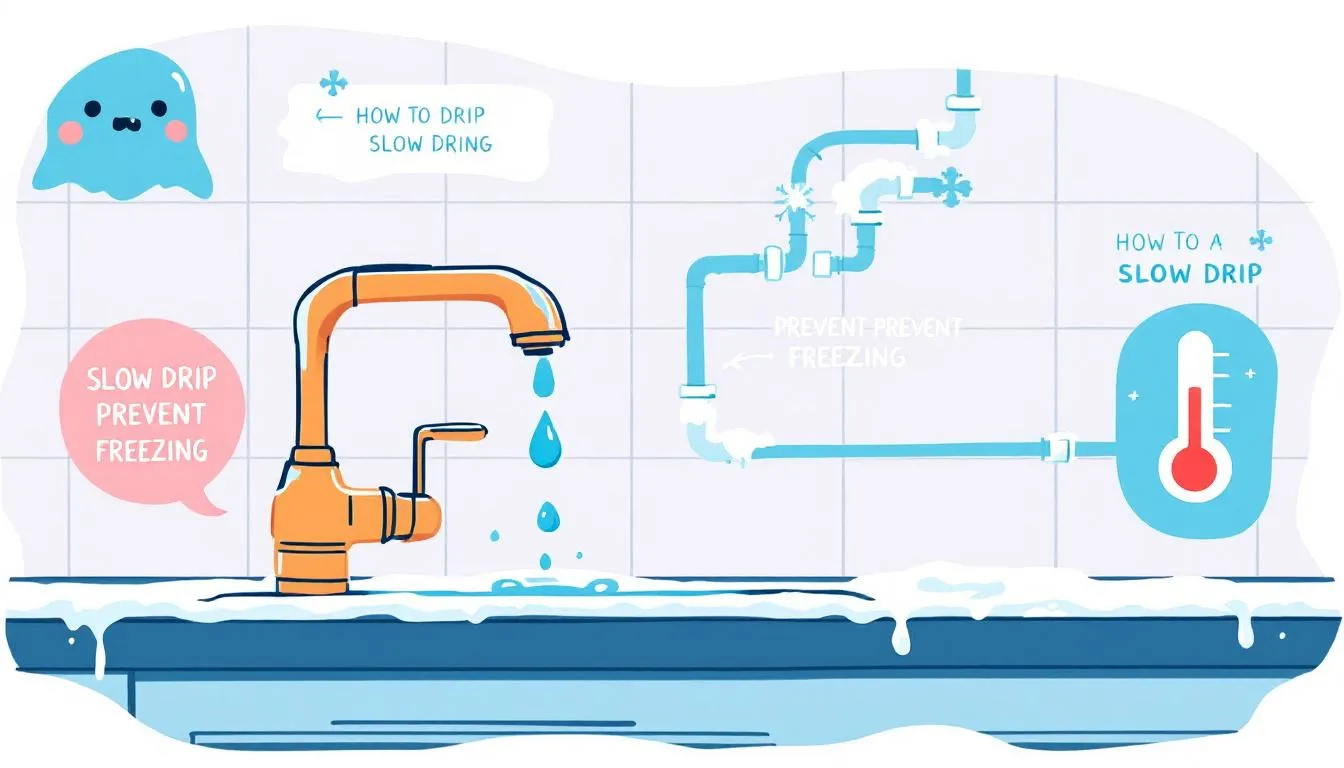
During severe cold, simple actions such as letting faucets drip, keeping garage doors closed, and opening cabinet doors add another layer of protection for vulnerable plumbing.
Allow Cold Water to Drip
Letting a faucet served by exposed pipes drip keeps water moving. Even a small trickle of cold water can reduce ice formation and pressure buildup, particularly in plumbing located in unheated spaces or against exterior walls.
Keep Garage Doors Closed
Keep garage doors closed to retain warmer air, especially when water supply lines run through the garage.
Open Cabinet Doors
Open kitchen and bathroom cabinet doors so warm room air can circulate around pipes beneath sinks, especially plumbing located against exterior walls.
Emergency Measures if Pipes Burst
If a pipe bursts, act immediately to limit damage. Shut off the main water valve, contact a licensed plumber, and begin safe cleanup as soon as possible.
Shut Off the Main Water Valve
The main shutoff is often in a basement, crawl space, or near the water heater. Closing it immediately stops water flow and helps prevent extensive damage. Learn where your valve is and how to operate it before an emergency occurs.
Contact a Licensed Plumber
After shutting off the water, call a licensed plumber to assess the damage and make repairs. Quick Quality Plumbing serves Sandy, American Fork, and communities across Utah and provides emergency plumbing help for burst pipes and other urgent problems.
Clean Up and Document Damage
Remove water quickly to reduce further damage and mold growth. Photograph the affected areas and keep detailed notes for a possible insurance claim.
Long-Term Solutions to Prevent Pipe Freezing
For long-term protection, install pipe sleeves, use approved heat cables, and improve home insulation. These upgrades help prevent frozen pipes while improving plumbing efficiency and longevity.
Install Pipe Sleeves
Pipe sleeves protect vulnerable water supply lines by:
- Reducing exposure to cold air.
- Creating a barrier against external damage.
- Helping extend pipe life in harsh conditions.
Use Heat Cables
Heat cables can provide targeted protection in severe cold:
- They deliver consistent warmth that discourages ice formation.
- They can be installed directly on vulnerable pipes.
- Thermostatically controlled, UL-listed products add protection in very cold areas.
Follow the manufacturer’s instructions and local safety requirements when selecting and installing heat cable.
Improve Home Insulation
Insulating walls, attics, and basements helps maintain stable temperatures around plumbing. Better insulation protects pipes and can improve the home’s overall energy efficiency.
Summary
Preventing pipes from freezing requires both immediate precautions and long-term improvements. Insulate exposed water pipes, maintain steady indoor heat, drain outdoor plumbing, and take extra precautions during severe cold.
These measures help water supply lines remain functional and can spare you the cost and stress of burst-pipe repairs. Stay proactive, stay warm, and keep your home’s plumbing protected all winter.
Frequently Asked Questions
What are the benefits of using Quick Quality Plumbing's water heater services?
Quick Quality Plumbing provides efficient diagnosis and honest recommendations, services most brands, and specializes in Rheem installations. That experience can improve water-heating efficiency and reliability.
What types of services does Quick Quality Plumbing offer?
Quick Quality Plumbing offers drain cleaning, leak detection, water heater repair, emergency plumbing, and other residential plumbing solutions.
What is the availability of Quick Quality Plumbing's emergency services?
Quick Quality Plumbing offers 24/7 emergency service when urgent plumbing help is needed.
How long has Quick Quality Plumbing been serving the area?
Quick Quality Plumbing has served the area for more than 30 years.
What warranty does Quick Quality Plumbing offer on its services?
Quick Quality Plumbing provides a workmanship warranty of up to one year on most services.