
Key Takeaways
- Low hot water pressure is usually caused by mineral buildup, partially closed shut-off valves, aging hot water systems, or clogged faucet aerators.
- Start by comparing hot and cold water pressure at the same fixture, then check easy-to-access valves and fixtures before touching the water heater.
- Normal residential water pressure usually falls between 45 psi and 60 psi - anything consistently below ~40 PSI warrants professional diagnosis.
- Multiple small issues often stack up, so diagnosing low hot water pressure involves checking for single fixture or whole house issues before jumping to expensive repairs.
- Homeowners in Utah, including American Fork, Lehi, Orem, and Salt Lake City, can contact Quick Quality Plumbing as an expert resource for stubborn pressure issues.
Why Is My Hot Water Pressure Low? (Quick Diagnosis)
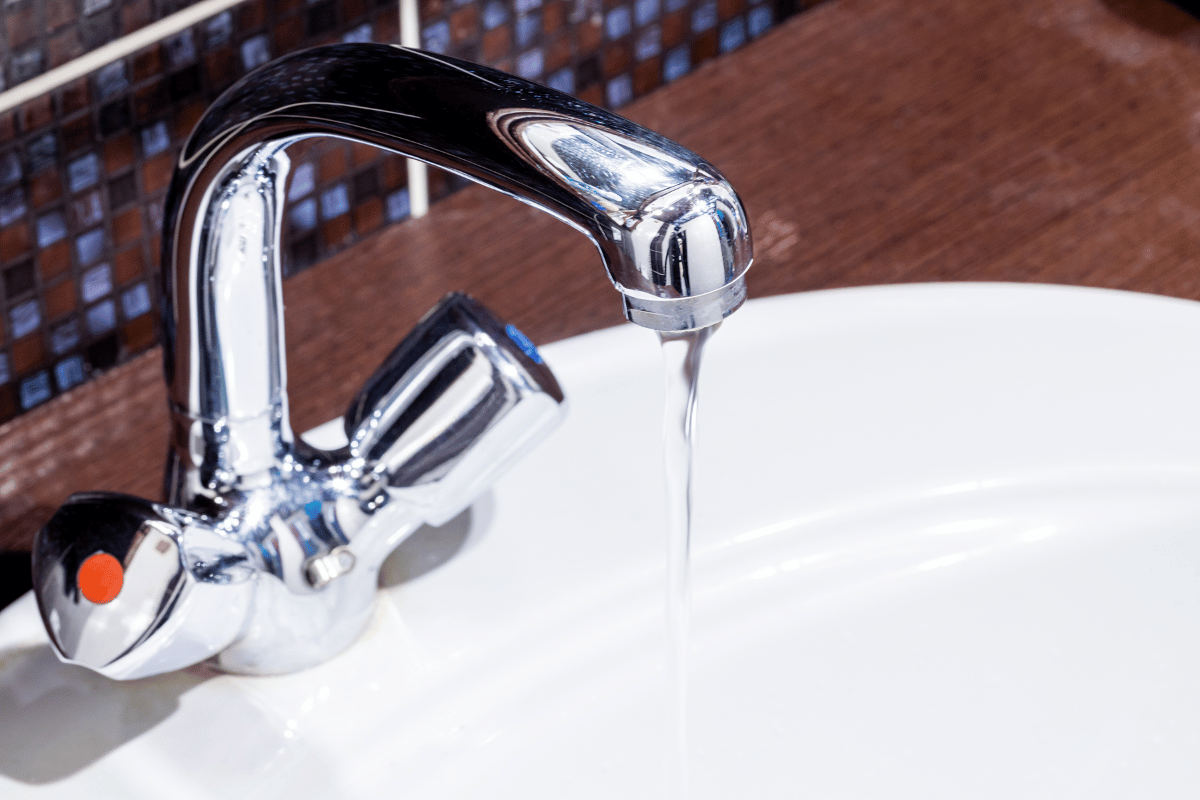
When your hot water taps barely trickle while cold water blasts out fine, the root cause almost always lives somewhere in your hot water system - not the city main. Low hot water pressure is frequently caused by localized restrictions between the water heater and your fixtures.
Here is a fast checklist to narrow down the problem:
- Test one hot tap and one cold tap at the same fixture. If cold water pressure is strong but hot is weak, the issue is on the hot side.
- Check several fixtures - kitchen sinks, the main shower, and a bathroom sink - to see if the pressure drop is isolated or whole house.
- Note the pattern. Low pressure at one fixture points to a local clog. Low hot water pressure everywhere points to the heater, valves, or hot water pipes.
- Look for leaks - damp spots under sinks, dripping from the water heater tank, or puddles near hot water lines.
If both hot and cold water run weak, the problem may involve the main water line, the pressure regulator, or a city supply issue rather than the hot water system alone. Corroded pipes can narrow diameter and restrict water flow in older homes - particularly in Salt Lake City, where many houses built before the 1980s still have galvanized steel pipes prone to corrosion inside the walls.
Galvanized steel or older copper pipes are especially prone to internal corrosion, and corroded pipes can reduce hot water pressure in older homes significantly.
Common Causes of Low Hot Water Pressure
Several components in your home's plumbing system can restrict water flow, and the most common causes often overlap. Here are the usual suspects:
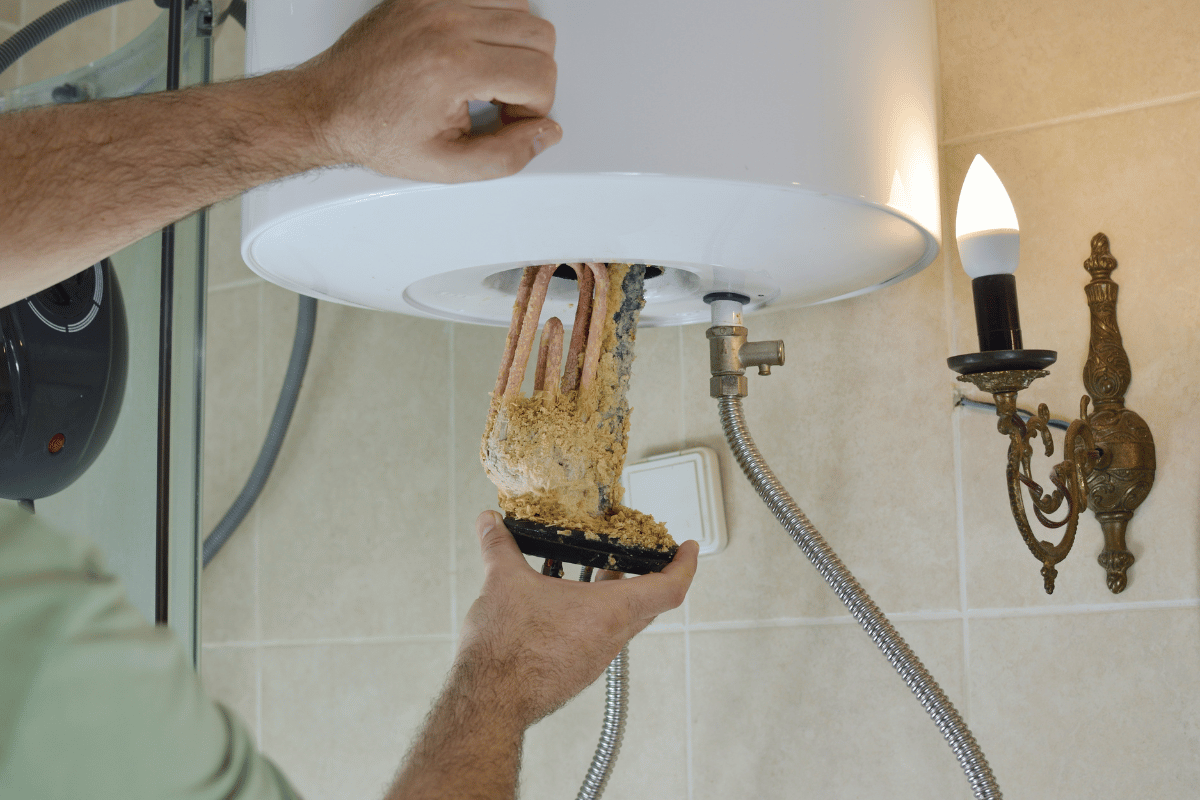
- Mineral buildup and sediment inside the hot water system. Sediment buildup in water heaters restricts hot water flow, and mineral deposits can accumulate in hot water lines over time, narrowing the path for running water.
- Clogged faucet aerators and shower heads. Clogged faucet aerators can restrict flow of hot water at individual fixtures. The same goes for scaled-up shower heads.
- Partially closed or failing shut off valves. Partially closed shut-off valves can limit hot water pressure - sometimes dramatically - even when the valve looks almost open.
- Faulty mixing valve. A faulty tempering valve (mixing valve) can choke hot water flow while cold flows normally.
- Pressure regulator problems. Low hot water pressure can result from a malfunctioning pressure regulator, though this usually affects both hot and cold sides.
- Aging or undersized hot water heater. Aging water heaters can develop clogs that reduce pressure. Blockages in hot water lines can lead to low pressure, and aging plumbing can cause blockages in hot water lines as corrosion inside galvanized pipes worsens. Corroded pipes can restrict hot water flow throughout the system.
Homes in fast-growing areas like Lehi deal with very hard water - roughly 335 ppm or 19.6 grains per gallon - which accelerates mineral buildup and triggers earlier water pressure issues in hot water systems.
DIY Checks Before You Call a Plumber
Before spending money on a service call, try these safe, non-invasive steps. Always turn off power or gas to the water heater before opening any panels or draining.
- Clean faucet aerators. Remove the aerator from each tap, soak it in white vinegar for 20–30 minutes, rinse, and reinstall. Cleaning faucet aerators can improve hot water pressure noticeably when mineral deposits are the culprit.
- Check shower heads. Unscrew, inspect for scale, and soak in vinegar. Cleaning aerators and showerheads can alleviate low hot water pressure caused by mineral deposits.
- Verify the main water shutoff valve and hot water shutoff valve. Shut-off valves should be parallel to the pipe when fully open. A partially closed shut-off valve can restrict hot water flow even when the handle appears mostly open. Check individual shut-off valves for each plumbing section - under kitchen sinks, bathroom vanities, and at the water heater itself.
- Inspect visible hot water lines for kinks on flexible connectors and obvious leaks.
- Use a pressure gauge. Thread a screw-on pressure gauge onto an outdoor spigot near the water meter. With all fixtures off, read the static pressure. A reading within 40–60 PSI is normal; below 40 PSI signals a deeper issue.
Inspecting shut-off valves helps address low water pressure issues quickly. These steps cost under $20 in supplies and take about 20–40 minutes. If low hot water pressure persists at every fixture, it is time to involve a licensed plumber such as Quick Quality Plumbing for deeper diagnostics.
Mineral Buildup and Sediment in Your Hot Water System
Hard water causes minerals to settle inside the hot water tank and pipes. In Utah, where hardness routinely exceeds 19 GPG, this process is aggressive. Minerals like calcium and magnesium contribute to sediment buildup that coats heating elements, lines, and valves.
Over time, sediment settles at the bottom of a tank-style water heater. As the tank begins to accumulate mineral deposits, the hot water outlet pipe can become partially blocked. Sediment buildup can block hot water outlet pipes and restrict water flow throughout the house. Sediment accumulation reduces hot water pressure across multiple fixtures - not just the closest one.
Annual flush process (high level):
- Turn off power or gas and let the tank cool.
- Close the cold water supply shut off valve.
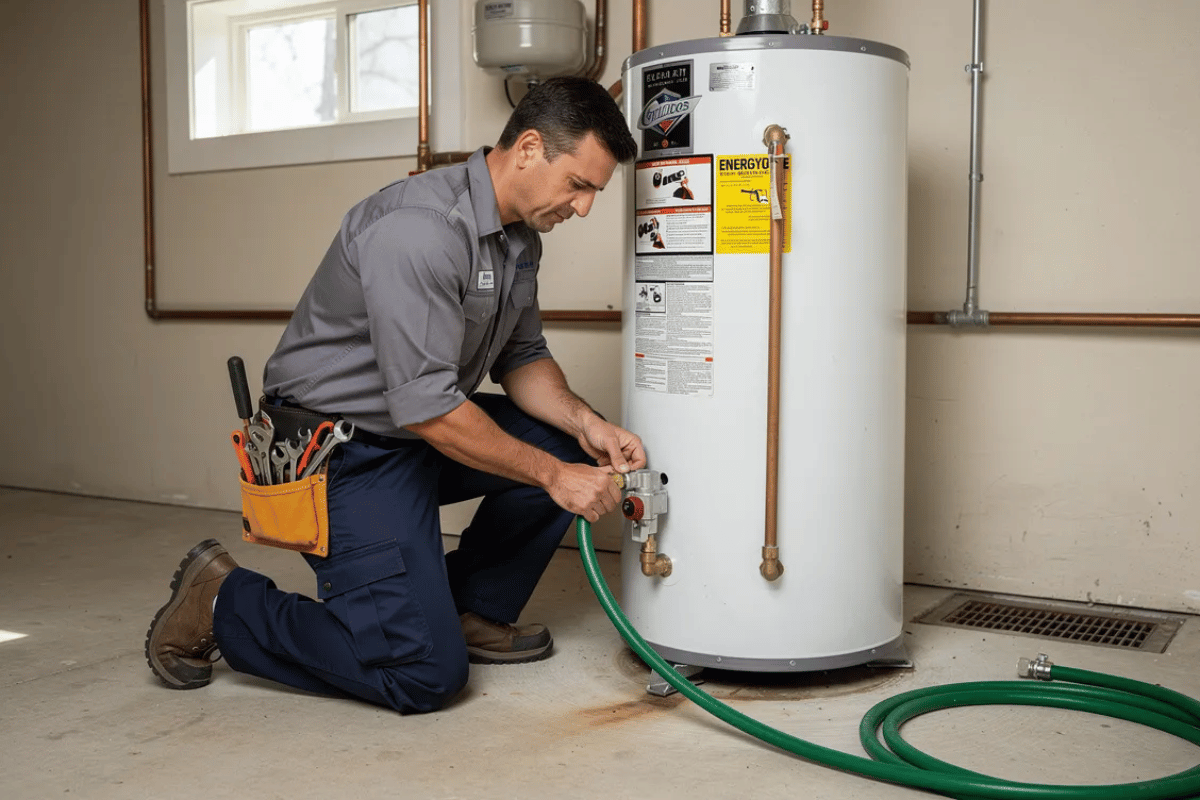
- Connect a garden hose to the drain valve and run it to a safe drain point.
- Open the drain until water runs mostly clear.
- Refill, purge air from the supply line, and restore power or gas.
Flushing your water heater annually prevents sediment buildup from reaching the point of a serious pressure drop. A professional flush in Utah typically costs $120–$250 and takes 60–90 minutes. However, sediment buildup can lead to water heater leaks if flushed improperly - and on very old tanks (10+ years), aging water heaters may develop leaks after flushing sediment that had been sealing pinhole corrosion. A licensed plumber should evaluate whether a heater is near end-of-life before flushing.
Orem homeowners on very hard municipal supplies often benefit from installing a water softener to slow future mineral buildup and reduce energy use from overworked heating elements.
Valves, Regulators, and Tempering Valves: Hidden Pressure Killers
Many water pressure issues come from partially closed or failing control devices rather than the heater itself.
Hot water shut off valve: Located near the top of the water heater tank on the cold water line, shut-off valves control the flow of water into the hot water tank. If this valve is partially closed, it mimics a serious low pressure problem. A quick visual check confirms: lever must be fully open and parallel to the pipe, or a round wheel turned fully counterclockwise.
Tempering valve: This valve blends hot and cold water to prevent scalding. Symptoms of a faulty tempering valve include strong cold water pressure but weak hot water pressure at multiple fixtures, fluctuating temperatures, and warm but never truly hot water. Replacement usually takes 1–2 hours and costs a few hundred dollars including parts and labor.
Pressure regulator: Usually mounted just after the main shutoff valve where the main water line enters the home, a failing pressure regulator can cause low water pressure on both hot and cold sides or large fluctuations. Homeowners should not attempt to rebuild regulators - adjustment or replacement should be done by a licensed plumber.
Residents in American Fork who notice low hot water pressure after city work on the street main should have both the regulator and main shut off valve inspected by a local professional to rule out pressure issues caused by infrastructure changes.
When Low Hot Water Pressure Means It's Time for a New System
Water heaters typically last 8 to 12 years for tank models and 15–20 years for tankless water heaters, assuming routine maintenance. Aging water heaters can cause low hot water pressure that no amount of cleaning will fix. Sediment buildup in aging heaters reduces hot water pressure progressively.
Signs it is time to replace:
- Water heater older than 10–12 years with frequent water heater issues and rust-colored water from corroded pipes.
- Rumbling or popping noises from heavy sediment every time the burner runs.
- Repeated repairs to valves and elements, yet hot water pressure and performance continue to decline.
- Low hot water pressure across the whole house combined with slow recovery time and possible water damage from small leaks.
Upgrading from a small 30–40 gallon tank to a larger or tankless system can stabilize pressure and support multiple simultaneous uses.
Realistic Utah replacement costs:
System Type: Installed Cost Range
- 40–50 gallon gas or electric tank: $1,400–$2,800
- Tankless conversion: $3,000–$5,000+
Schedule a professional evaluation and written estimate from a licensed plumber, such as Quick Quality Plumbing's service team, before committing to any replacement. Code compliance, proper sizing, and permits are key reasons to use a licensed contractor rather than DIY for hot water heater installations.
Professional Help and Ongoing Maintenance
Some water pressure issues - like corrosion inside buried pipes, slab leaks, or water damage behind walls - cannot be safely diagnosed without professional equipment. Corroded pipes can restrict hot water flow in aging systems where the problem is hidden.
Call a plumber immediately when:
- You experience a sudden drop in hot water pressure with visible leaks.
- Hot water pressure is low throughout the home, and cold water is also dropping, and you hear hissing in the walls.
- Repeated low hot water pressure after DIY cleaning of aerators and shower heads.
- Discolored water, metallic taste, or suspected galvanized pipes.
Routine maintenance schedule to prevent future problems:
- Flush tank-style heaters every 12 months. Annual flushing prevents sediment buildup in water heaters.
- Inspect faucet aerators and shower heads every 6 months for mineral buildup.
- Have a whole-home plumbing system inspection every 1–2 years to check valves, the pressure regulator, and visible piping.
- Consider a water softener where hard water is the norm.
Homeowners can review available plumbing and hot water services or visit the main Quick Quality Plumbing website to request an appointment. Many homeowners in and around Orem benefit from having a local, licensed plumber familiar with Utah building codes and typical water flow challenges in the area.
FAQ:
Here are answers to the most common questions homeowners ask about low hot water pressure.
What PSI should my home's water pressure be for good hot water flow?
Most homes perform best between 40 and 60 PSI, with many plumbers considering about 50 PSI a comfortable target for both hot and cold water. Consistent readings below roughly 40 PSI can result in noticeably low hot water pressure at showers and taps, especially on upper floors. Simple screw-on pressure gauges are inexpensive and allow homeowners to check pressure at an outdoor spigot before adjusting a pressure regulator or deciding to call a plumber.
Can low hot water pressure damage my plumbing or hot water system?
Low hot water pressure itself rarely damages equipment, but the causes of low hot water pressure - such as mineral buildup, corrosion, or hidden leaks - absolutely can. Leaks can cause structural water damage, mold, and higher utility bills, while long-term sediment buildup can overheat and shorten the life of the water heater tank. Prompt inspection is recommended if pressure low conditions appear suddenly or are accompanied by discolored water.
How long does it usually take a plumber to fix low hot water pressure?
Simple fixes like replacing a faulty shut off valve, cleaning a clogged tempering valve, or clearing localized blockages often take 1–2 hours. More complex solutions such as repiping corroded hot water lines or replacing an old water heater may take most of a day but are generally completed in a single visit. The plumber's initial diagnostic phase typically lasts 30–60 minutes.
Is low hot water pressure usually just a water heater problem?
Low hot water pressure often starts in the water heater or hot-side plumbing, but it is not always limited to the tank itself. Clogged faucet aerators, a partially closed cold water line valve, faulty tempering valves, and pressure regulator issues can all cause water pressure problems even when the heater is relatively new. Rule out fixture and valve issues first, then have a licensed plumber assess the hot water system and piping if the problem persists.
Conclusion
Low hot water pressure is common, usually solvable, and often preventable with routine maintenance - especially in hard water regions across Utah.
Careful DIY checks on aerators, shower heads, and shut-off valves are a smart first step, but persistent or widespread pressure loss calls for professional diagnostics. If you are unsure of the cause, schedule a plumbing assessment with an experienced local team like Quick Quality Plumbing through their website for hot water system and water pressure issues.
Restoring strong, consistent hot water pressure is typically achievable with the right mix of inspection, maintenance, and, when needed, system upgrades.