
Most homeowners don't think about their drains until water stops moving. By then, the problem has usually been building for months. This guide breaks down what drain cleaning actually involves, how professionals handle it, what causes clogs in the first place, and how to keep your plumbing system running without surprises.
What Is Drain Cleaning?
Drain cleaning is the professional process of removing buildup, debris, and blockages from a home's drains and sewer lines. It goes well beyond poking a hole through a clog. Drain cleaning removes buildup and blockages from wastewater pipes, restoring them to full function and helping prevent future problems.
There is an important distinction between drain clearing and full drain cleaning. Drain clearing means opening a temporary path through a clog so water flows again - a quick fix that addresses the symptom. Full drain cleaning includes scrubbing pipe walls, removing grease buildup, scale, and root intrusion to deliver longer-lasting results. Regular drain cleaning prevents clogs and maintains plumbing efficiency across every fixture in the house.
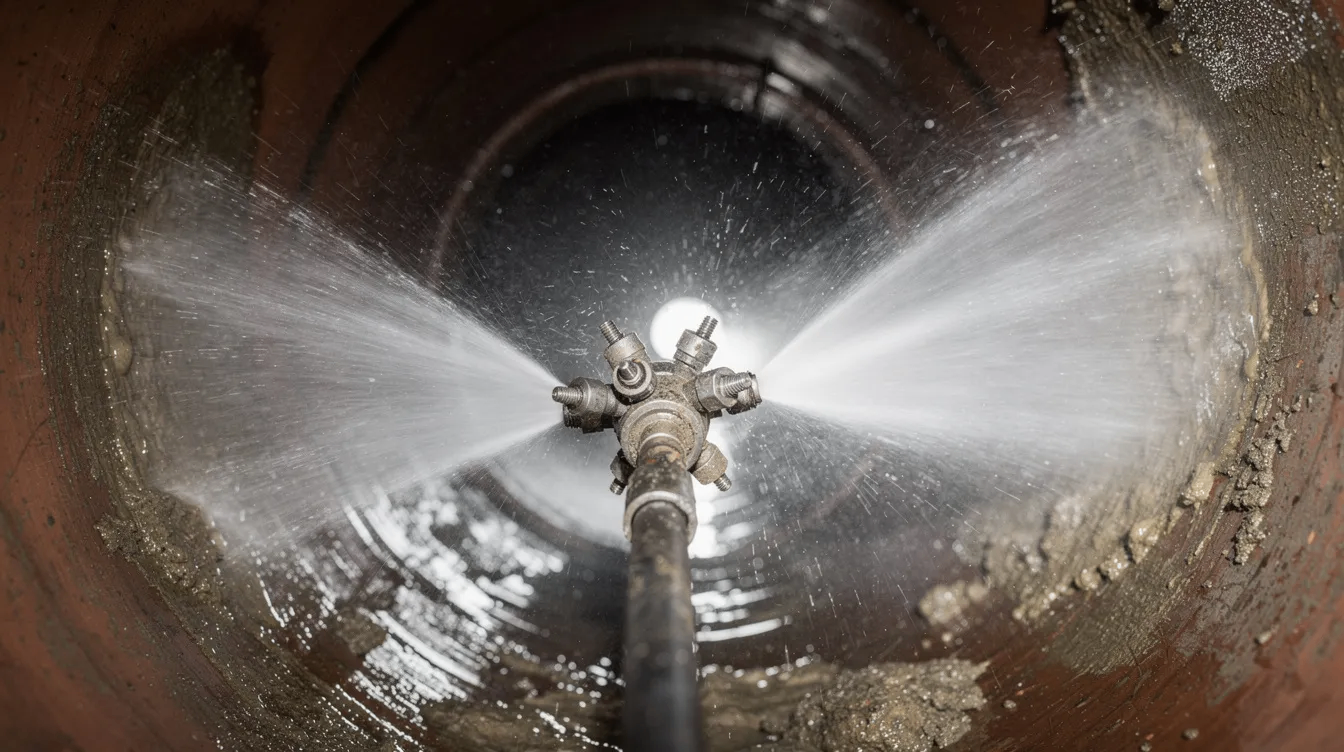
Modern drain cleaning services use tools like mechanical snaking, hydro jetting with high pressure water, and camera inspection to diagnose and resolve drain problems accurately. Consider a kitchen sink line packed with hardened grease, or a main sewer line choked by tree roots entering through cracked joints - both require different approaches, but both fall under professional drain cleaning. Regular drain cleaning also prevents slow drains and foul odors that signal deeper issues. Left unaddressed, these situations can escalate into emergency drain cleaning scenarios, including sewage backing up into basement bathrooms.
- Drain cleaning = removing blockages + cleaning internal pipe surfaces for long-term health
- Drain clearing = temporary flow restoration; cleaning = deeper, preventive work
- Tools include drain cleaners (snakes), hydro jetting, and camera inspection
- Examples: grease in kitchen drain lines, roots in main sewer pipes
- Purpose: avoid emergencies like sewage backups or standing water in basements
How Drain Cleaning Works: Step-by-Step Process
When you call a professional plumber for drain cleaning, the process follows a logical sequence designed to identify the real problem before any tools come out. Here is what the typical workflow looks like:
- Initial assessment: The plumber asks which drains are slow or backing up, when it started, and whether you've attempted any DIY fixes. They test multiple fixtures - sinks, toilets, tub, and shower - to determine if the issue is isolated or system-wide.
- Camera inspection: Video camera inspections help identify blockages and damage inside pipes. A waterproof camera feeds through the drain line, showing cracks, root intrusion, grease deposits, or foreign objects like paper towels and wipes in real time. This step prevents guesswork.
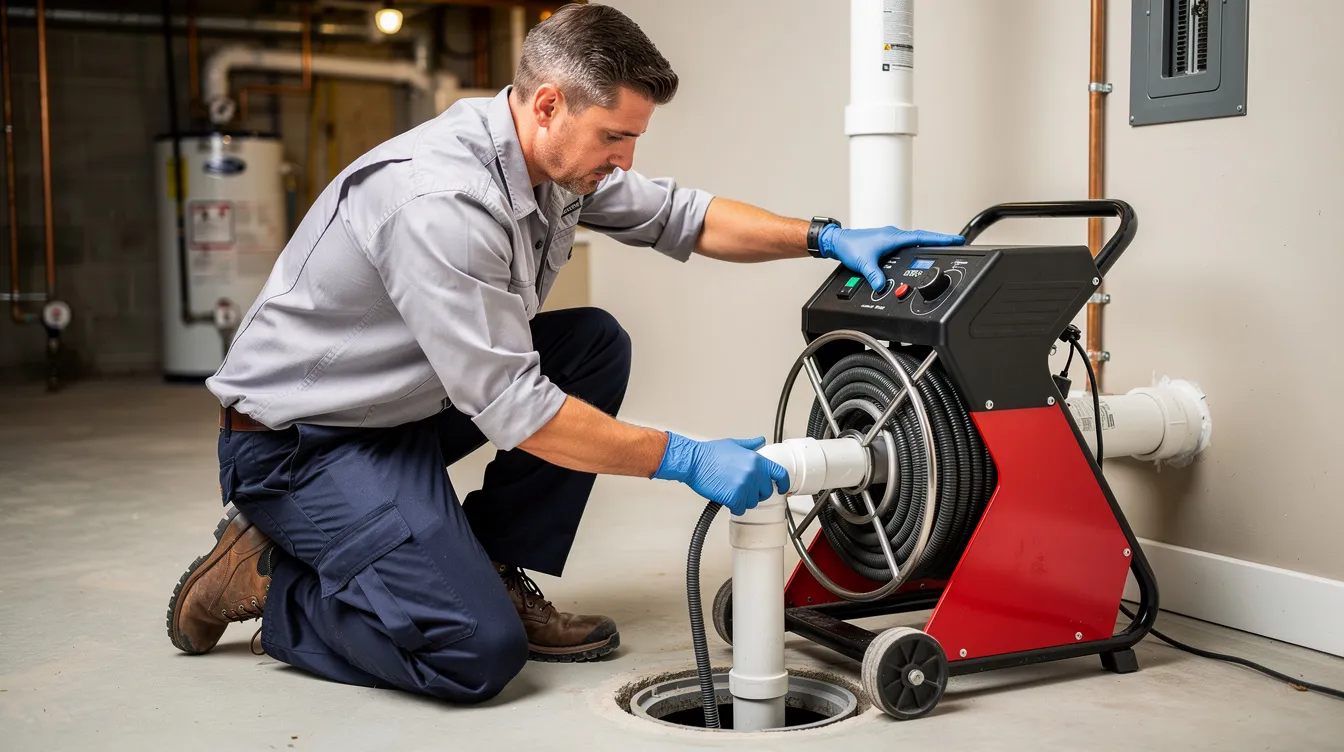
- Choosing the method: Based on findings, the plumber selects the right approach. Drain snaking involves using a flexible cable to break through clogs in branch lines. For heavier buildup, hydro jetting uses high pressure water to clear clogs effectively, scouring the full interior surface. Spot repairs may be recommended if structural damage is found.
- Timeframes: Simple fixture clogs typically take 30–60 minutes. Full main line cleaning runs 1–3 hours. Complex repairs involving sewer pipe access or excavation may take a full day.
- Pricing and communication: Reputable drain services provide clear pricing before work begins, explain any recommended upgrades, and walk you through follow-up maintenance options. Unexpected findings like root infiltration or pipe damage trigger new estimates before proceeding.
Common Causes of Drain Clogs in a Typical Home
Most drain clogs don't appear overnight. They develop gradually as materials accumulate inside drain pipes, narrowing water flow until the line stops completely. Sewer backups can cause wastewater to bubble up into sinks and tubs when blockages go unaddressed.
Inside the home:
- Grease, hair, and soap residue contribute to drain clogs - grease solidifies on pipe walls, hair tangles with soap scum in shower and tub drains, and food particles collect in kitchen lines
- Non-flushable items like wipes can cause sewer line clogs - along with feminine hygiene products, toilet paper used in excess, and similar items that don't break down
- Lint and fibers from laundry lines accumulate over time
Outside the home:
- Tree root intrusion is a leading cause of clogs - research shows roots cause over 50% of sewer blockages in older systems, entering through small joints or cracks
- Soil shifting under slab homes can cause pipe sagging, creating low spots where debris settles
Pipe condition and other factors:
- Older cast iron pipes (lifespan 50–75 years) develop internal rust and scale that trap debris and accelerate recurring drain clogs
- Clay and Orangeburg pipes suffer from joint separation and deformation
- Hard water can cause mineral scale buildup in drain pipes - calcium and magnesium deposits make smooth surfaces rough, increasing the risk of blockage over time. Hard water mineral scale builds up inside pipes over time, making drain cleaning more important with each passing year, especially along the Wasatch Front where mineral-rich water is common
Types of Drain Cleaning Methods and Tools
Not all drain cleaners and techniques are the same. The safest, most effective choice depends on the pipe material, clog type, and severity. Here is how the main methods compare:
- Handheld drain augers (snakes): Manual tools suited for simple clogs near fixtures. Handheld drain augers can reach 25 feet into pipes, making them effective for short branch lines like a bathroom sink or tub drain opening. Low cost, minimal risk.
- Power cable machines: Electric drain cleaners can reach up to 80 meters in length, delivering higher torque for main line blockages. These motorized units handle tougher obstructions through mechanical snaking but require experience to operate safely.
- Hydro jetting: Uses high pressure water to scour grease, sludge, and roots from pipe walls, restoring full diameter. Sewer jetters operate at pressures from 1,000 psi to 5,000 psi depending on the application. Pros: cleans full interior surface, better long-term results. Cons: not safe for structurally fragile pipes without prior camera inspection.
- Air-burst drain cleaners: Air-burst drain cleaners use gas to dislodge clogs immediately by sending a pressurized burst through the line. Best for soft blockages in accessible fixtures.
- Chemical drain cleaners: Chemical cleaners containing strong alkalis or acids can dissolve soft organic blockages but generate heat that may damage older pipes. They do not remove scale or roots. Frequent use of harsh chemicals can do more harm than good, softening joints or creating leaks in aging lines.
- Enzyme-based drain cleaners: Safer for regular maintenance, these products break down organic buildup over weeks. They are better suited for prevention than for clearing an active clog.
- Professional-grade equipment is more powerful, uses correct pressure ratings, and includes safety protocols that consumer drain cleaner products from a hardware store simply cannot match.
When to Call Professional Drain Cleaning Services
There are clear signs that DIY options are no longer enough and it is time to call for professional drain cleaning. Routine professional drain cleaning is essential for maintaining plumbing in good working order, and professional drain cleaning can solve existing plumbing problems before they become disasters. Preventative maintenance can avoid emergency plumbing issues entirely.
Warning signs that demand a professional:
- Multiple fixtures backing up or draining slowly at the same time
- Gurgling sounds from toilets or drains when other fixtures run
- Foul sewage odors indoors or near the foundation
- Standing water around floor drains or wet spots under floorboards
- Recurring clogs at the same fixture despite repeated clearing
- Water stains or mildew on lower-level walls
Routine drain cleaning - scheduled annually or every couple of years - is fundamentally different from emergency drain cleaning, where active sewage backup threatens your home and health. Realistic cost ranges for professional drain clearing services run approximately $100–$275 for a single fixture and $200–$800 for main line work, depending on access, pipe length, and severity.
Homeowners in Sandy, Utah and the broader Salt Lake City area can consult licensed local plumbers for an on-site evaluation rather than relying on store-bought chemical cleaners. A trusted name in plumbing in Sandy can provide an honest price and reliable service tailored to your home's specific conditions.
DIY vs. Professional Drain Cleaning: Safety, Costs, and Results
Knowing when to grab a plunger and when to call a professional drain expert saves both money and headaches.
DIY Pros:
- Low upfront cost: plungers ($5–$20), hand snakes ($25–$80), enzyme cleaners ($10–$30)
- Immediate results for simple, isolated clogs like hair in a shower drain
- Useful for routine maintenance between professional visits
DIY Cons:
- Risk of pushing a clog deeper or damaging pipes with aggressive tools
- Chemical drain cleaners can corrode metal pipes, degrade seals, and pose health risk through burns or toxic fumes - never mix different chemical cleaners
- Consumer tools are insufficient for scale, root intrusion, or problems deep in the main line
When to Go Pro:
- Recurring drain clogs in the same fixture or across multiple drains
- Suspected sewer line issues, root intrusion, or pipe deterioration
- Any situation involving sewage, contamination, or drain problems that affect the whole house
The long-term value of proper professional cleaning - which prevents repeat service calls and protects against costly repairs - far outweighs the savings of a one-time quick fix. Treat complex drain issues the way you would electrical or gas problems: best handled by experienced technicians with the right equipment.
Preventive Maintenance: Keeping Your Home's Drains Flowing
Regular maintenance is cheaper than repeated emergency calls and major pipe repairs. A few consistent habits keep your home's drains clear and your plumbing healthy.
- Never pour cooking grease down the kitchen sink - collect it in a container, cool it, and dispose of it in the trash
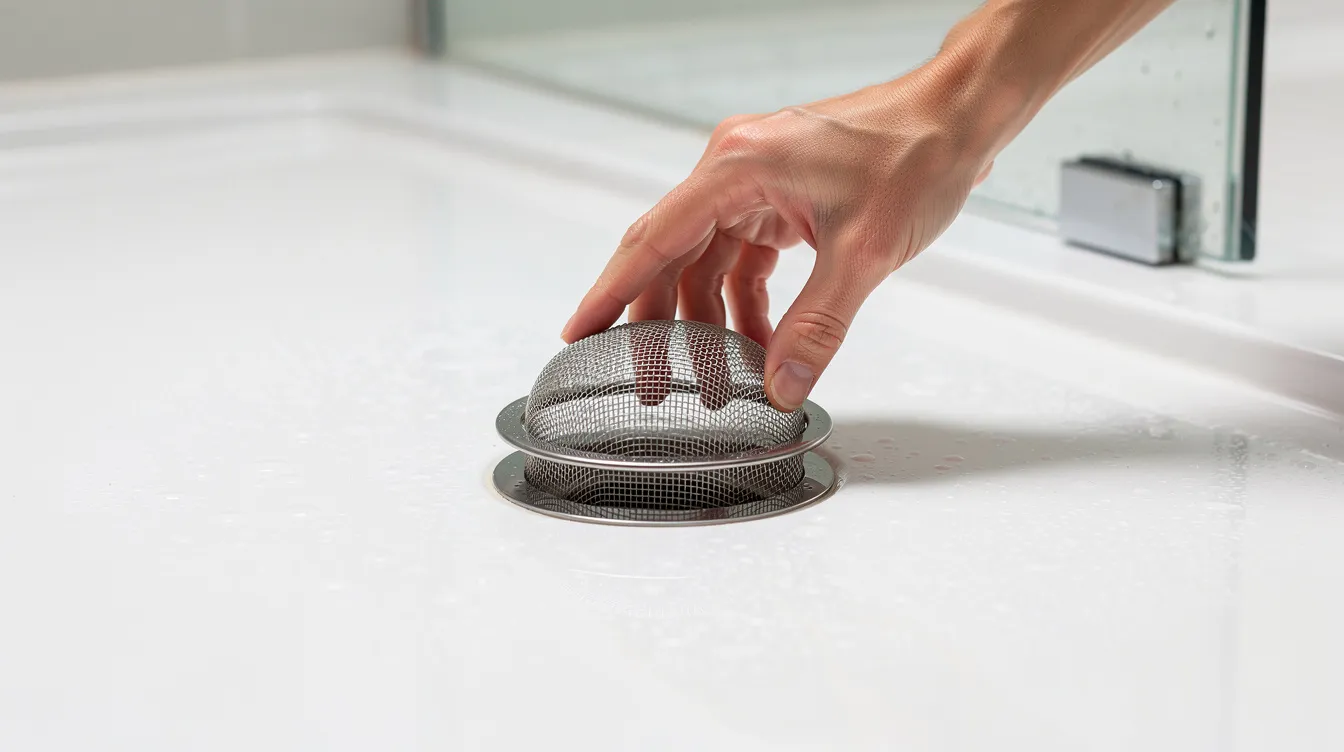
- Use hair catchers in showers and tub drains to prevent soap scum and hair from reaching the line
- Run hot water through sinks after heavy use to flush residual grease and debris
- Avoid flushing wipes, hygiene products, or paper towels - only toilet paper belongs in toilets
- Annual drain cleaning is recommended to prevent clogs, and annual drain cleaning is recommended for homes with mature trees near the sewer line
Schedule preventive drain cleaning every 12–24 months for older homes, or sooner if you have frequent guests or known pipe condition issues. Periodic camera inspection catches small root intrusions or pipe damage before they escalate. Quick Quality Plumbing Services in Sandy can build a customized maintenance plan that includes hydro jetting schedules and checkups tailored to your home and yard layout.
Frequently Asked Questions About Drain Cleaning
How is drain cleaning different from drain clearing?
Drain clearing means opening a path through a clog - often with a cable or snake - to restore temporary water flow. It solves the immediate problem but leaves buildup on the pipe walls. Drain cleaning is more thorough: it removes grease, scale, biofilm, and roots from the interior surface using tools like hydro jetting for longer-lasting results. Homes with repeat drain clogs usually benefit from full cleaning rather than clearing the same blockage again.
Is it safe to use chemical drain cleaners in my home?
Many chemical drain cleaners contain strong alkalis or acids that generate heat when reacting. In older metal or clay sewer pipes, this can accelerate corrosion, create pitting, or crack joints. Occasional use on minor slow drains might be acceptable, but repeated use often leads to leaks and expensive repairs. Safer alternatives include mechanical clearing, enzyme-based products for ongoing maintenance, or calling a professional for stubborn clogs. Always follow label directions, wear protection, and never mix different products.
How often should I schedule professional drain cleaning?
Every 1–2 years is a solid baseline for most homes. Older plumbing, big families, or properties with large trees over the sewer line may need annual service. Homes with previous sewer backups or chronic slow drains benefit from pairing periodic camera inspection with hydro jetting as conditions require. A trusted local plumber - like Quick Quality Plumbing - can help you adjust frequency based on actual use and past issues.
What should I expect during a professional drain cleaning visit?
The plumber arrives within a scheduled window, lays protective coverings over flooring, and walks through the problem fixtures with you. They may test multiple drains, run a camera through the line, and then select tools - cable machines, hydro jetting, or other methods - based on findings. Reputable companies provide upfront pricing, explain options clearly, and clean up the work area before leaving. Ask for a copy or summary of camera inspection results for your records and future planning.
Conclusion: Protecting Your Home with Proper Drain Cleaning
Drain cleaning is more than clearing a single clog. It is a systematic process that restores and protects your home's drains, drain lines, and sewer line from gradual deterioration and sudden failure. Combining smart daily habits, periodic professional cleaning, and occasional camera inspection helps you avoid the kind of costly emergencies that catch homeowners off guard.
If you are dealing with recurring drain problems, an older home, or simply want peace of mind about what is happening inside your pipes, schedule an evaluation with a qualified local plumber. Reliable drain cleaning services and a trusted name in plumbing along the Wasatch Front are available when you need expert help - before that minor slow drain becomes a major problem.