
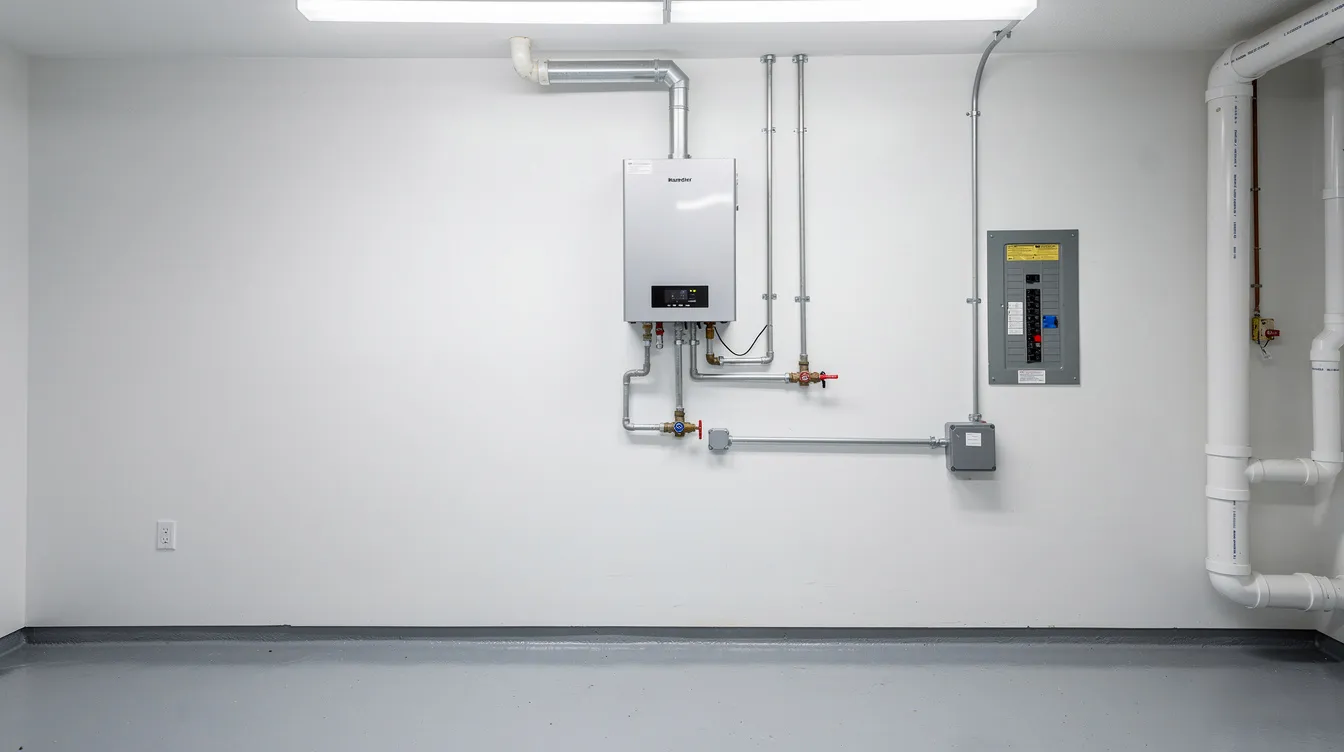
Choosing the right water heating system is crucial for comfort, energy efficiency, and cost savings in your home. Tankless water heaters, also known as on demand water heating systems, have gained popularity across Utah cities like American Fork, Lehi, and Salt Lake City for their promise of continuous hot water and space-saving design. However, like any technology, they come with both advantages and disadvantages.
This comprehensive guide explores the pros and cons of a tankless water heater, helping you make an informed decision tailored to your household needs and local conditions. Whether you’re considering an upgrade in Sandy or anywhere else in Utah, understanding these factors is key to enjoying a reliable hot shower while optimizing your energy use.
Key Takeaways
Tankless water heaters can be 24%–34% more energy efficient than conventional storage tank water heaters for homes that use 41 gallons or less of hot water daily, translating to lower energy costs over time.
Instant hot water on demand eliminates standby heat losses, and properly sized units deliver an endless supply for back-to-back showers in homes across American Fork and similar Utah communities.
Higher upfront costs ($1,000–$3,000 for the unit plus $600–$2,500 for installation) and potential infrastructure upgrades for gas lines or electrical panels are significant drawbacks to weigh.
Some tankless systems may face limits in simultaneous hot water output, which can lead to insufficient heating when multiple fixtures are used at once.
For Utah homeowners uncertain which system fits their home, Quick Quality Plumbing offers expert evaluations tailored to local water conditions and household needs.
Introduction: Is a Tankless Water Heater Right for Your Home?
A tankless water heater, also called a demand water system, heats water directly as it flows through the unit rather than storing 40–75 gallons in a tank. This fundamental difference affects everything from energy usage to how much space your hot water heater occupies. Tankless units take up less space and save energy compared to other water heaters, making them an increasingly popular choice. By 2026, many Utah homeowners are exploring tankless options as energy costs rise and modern homes prioritize efficiency.
This article breaks down the real-world pros and cons of tankless units compared with traditional tank water heaters. Tankless water heaters are often chosen over other water heaters because they take up less space and can save energy, but it’s important to weigh these benefits against potential drawbacks. Whether you’re in Lehi weighing long-term savings against higher upfront costs or in Salt Lake City replacing an aging system, understanding both sides helps you make a confident decision.
Quick Quality Plumbing serves as a trusted local resource for water heater evaluations throughout Utah, helping homeowners navigate these trade-offs with professional guidance.
How Tankless Water Heaters Work (and Why It Matters)
Understanding how a tankless water heater works clarifies why it delivers different results than a tank water heater. When you turn on a hot water tap, cold water enters the tankless unit and triggers a flow sensor. This activates either a gas burner or electric heating element, which heats water as it passes through a heat exchanger. The energy source for a tankless water heater can be gas, electric, or even solar, and this choice impacts both efficiency and operating costs. Hot water exits to your fixtures within seconds at the unit itself.
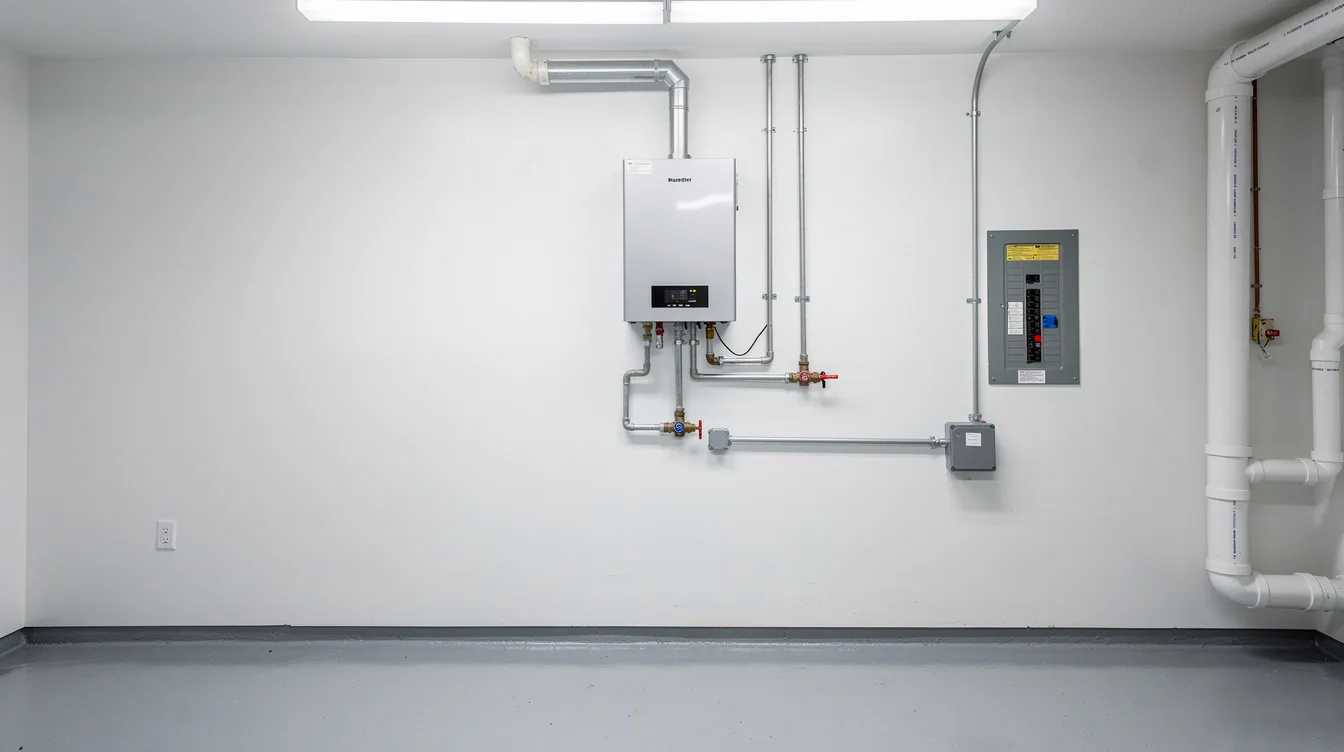
Typically, tankless water heaters deliver hot water at a rate of 2–5 gallons (7.6–15.2 liters) per minute, with gas-fired models generally providing higher flow rates than electric ones. Larger gas tankless water heaters can reach 7–11+ GPM, suitable for homes with multiple bathrooms.
Tankless water heaters provide hot water only as it is needed, avoiding standby energy losses associated with storage water heaters. Unlike a tank water heater system where a pilot light or immersion element keeps water warm 24/7, tankless systems are “on/off” based on flow. Many gas-fired tankless water heaters use an intermittent ignition device (IID), which is more energy efficient than a standing pilot light and works similarly to spark ignition systems found in gas furnaces and ranges.
During cold winters, the efficiency of tankless systems may be affected due to the near-freezing temperatures of incoming water. Utah’s winter groundwater temperatures drop to 40–50°F, requiring higher-capacity units to achieve the desired temperature rise.
Main Pros of a Tankless Water Heater
For energy-conscious households, tankless water heater pros deliver compelling advantages worth considering.
Energy Efficiency and Lower Bills
Tankless water heaters use less energy than conventional storage tank water heaters, making them 24%–34% more energy efficient for homes that use 41 gallons or less of hot water daily. For homes that use a lot of hot water, around 86 gallons per day, tankless water heaters can be 8%–14% more energy efficient compared to traditional water heaters.
Electric tankless water heaters can achieve energy efficiency ratings of over 98%, while high-efficiency gas models peak just below that. This translates to realistic annual energy savings of $70–100 on gas bills or $50–80 for electric tankless models, helping you save money over the unit’s lifetime.
Endless Hot Water Supply
If properly sized and installed, tankless water heaters can supply a nearly endless supply of hot water, allowing for back-to-back showers without running out. The limit is flow rate, not stored volume—perfect for sequential uses like multiple morning showers or washing dishes after laundry.
Space-Saving Design
Tankless water heaters take up less space than traditional models due to their compact, wall-mounted design. Units as small as 18x12x4 inches free up floor space in mechanical rooms, garages, or closets—a significant benefit in homes around Sandy where extra space is valuable.
Longer Lifespan
Most tankless water heaters have a life expectancy of more than 20 years, which is nearly double that of traditional tank water heaters that last 10 to 15 years. The longevity of tankless water heaters can be attributed to their easily replaceable parts, which may extend their life by many more years compared to traditional models.
Electric tankless options pair well with solar PV systems or home electrification plans, making them attractive for homeowners pursuing sustainable upgrades.
Main Cons of a Tankless Water Heater
Despite strong benefits, tankless heaters present challenges that affect certain households more than others.
Higher Upfront Costs
Tankless water heaters can experience high initial costs and installation complexities compared to traditional models. The initial cost of a tankless water heater typically ranges from $1,000 to $3,000, including installation, which is significantly higher than the $700 to $2,000 cost of most traditional tank water heaters.
The purchase price of a new tankless water heater can vary from $500 to $2,600, while installation costs can range from $600 to $2,500, depending on various factors such as location and specific installation needs. Permitting for the installation of a tankless water heater can cost between $50 and $200, which is an additional expense to consider when calculating the initial cost.
Infrastructure Upgrades
Tankless water heaters require larger gas pipes and electric circuits compared to traditional tank water heaters, which may necessitate infrastructure renovations in existing buildings. Gas models often require 3/4–1 inch line upsizing from standard 1/2 inch pipes, costing $500–$1,500. Electric tankless units may demand 200-amp panel upgrades in older homes, adding $2,000–$4,000 to your initial investment.
Flow Rate Limitations
In large households, a tankless water heater may struggle to supply enough hot water for simultaneous uses, such as taking a shower while running the dishwasher. A 5.5 GPM unit serving three fixtures at once (shower + dishwasher + washing machine) may experience temperature drops to 105°F or lower.
Power outages can affect a tankless water heater’s ability to supply hot water, especially for electric models, so homeowners should consider how often power outages occur in their area.
Not Truly “Instant” at the Tap
While heating water is instant at the tankless unit, hot water still travels through your home’s piping. Distant fixtures may see 10–30 seconds of cold water before hot water arrives, similar to tank systems.
Maintenance Requirements
Tankless water heaters necessitate maintenance such as periodic descaling, especially in areas with hard water. Utah’s hard water (10–20+ grains per gallon in areas like American Fork) demands annual or semiannual flushing, adding $150–$300 per professional service.
Comparing Tankless vs. Traditional Tank Water Heaters
Both tankless systems and traditional tank water heaters can provide hot water for your household, but they differ significantly across key factors.
Factor | Tankless | Traditional Tank
- Initial Cost: $1,000–$3,000+ installed: $700–$2,000 installed
- Operating Cost: $100–200/year savings: Higher due to standby losses
- Energy Efficiency: 0.95+ UEF possible: 0.6–0.7 UEF typical
- Space Required: Wall-mounted, compact: 60x24 inches floor space
- Lifespan: 20+ years: 10–15 years
- Maintenance: Annual descaling critical: Annual anode rod check
Traditional tank water heaters store 40–80 gallons at 120–140°F, recovering 40–60 gallons per hour. They excel at high demand situations where multiple fixtures run simultaneously, delivering 10+ GPM bursts. However, storage tank systems waste 15–25% of energy on standby heat loss.
Best fit scenarios:
Couples or small homes (1–2 bathrooms, under 41 gallons/day): Tankless models offer maximum savings
Large families (3+ bathrooms, peak simultaneous demand): Traditional 50–75 gallon tanks or hybrid setups may prove more reliable
For Sandy homeowners wanting a professional comparison, Quick Quality Plumbing provides tailored assessments based on your specific household patterns.
Real-World Cost and Savings Considerations
The right choice depends on long-term math, not just the purchase price.
Payback Period Analysis
A $2,000 premium for tankless installation offset by $100/year savings yields payback in approximately 10 years. Over a 20-year lifespan, that translates to $1,000+ net savings, plus avoided tank leak damages that can exceed $5,000.
Fuel Type Impact
Gas tankless units ($1,200–$2,800) edge propane models in urban Lehi with natural gas access. Electric tankless water heater options ($800–$2,000) thrive where solar offsets 50% of draw or rates stay below $0.12/kWh.
Rebate Opportunities
Utility rebates and federal tax credits via the IRA covering up to 30% (maximum $2,000) can significantly shorten ROI. Check with local utilities like Dominion Energy for current offers on energy efficient equipment.
Homeowners planning to stay in their home 10+ years are most likely to see full financial benefit from a tankless upgrade. Short-term occupants may not fully recoup higher upfront costs through reduced energy bills alone.
Maintenance, Reliability, and Lifespan
Proper maintenance is essential to realizing the promised lifespan and efficiency of your demand water system.
Hard Water Concerns
Hard water can accelerate scale buildup in tankless units, necessitating the use of water softeners in areas with high mineral content. Utah’s average 15–25 grains per gallon demands vigilant maintenance.
Essential Maintenance Tasks:
Annual or semiannual flushing with vinegar or descaling solution
Quarterly cleaning of inlet screens and filters
Annual venting inspection (gas units)
Combustion verification for gas models
Tankless water heaters typically have a lifespan of 20 years or more, while traditional tank water heaters generally last between 10 to 15 years—but only with consistent care. Neglecting maintenance can halve efficiency as scale insulates heat exchangers, causing 10–20% flow loss and temperature fluctuations.
For guidance on related maintenance procedures, Quick Quality Plumbing’s expert guide on draining gas water heaters offers practical insights applicable to various water heating systems.
How to Decide: Is a Tankless System Right for Your Utah Home?
Your final decision should balance comfort priorities, budget constraints, and energy efficiency goals.
Key Decision Factors:
Household size and number of bathrooms
Typical simultaneous fixture usage (showers, dishwasher, laundry)
Existing gas or electric infrastructure capacity
Planned years in the home
Desire for more energy efficient systems
Proper installation of a tankless water heater depends on factors such as fuel type, climate, local building code requirements, and safety issues, especially concerning gas-fired units. It is recommended to consult the manufacturer for installation instructions and to check local codes for permits when installing a tankless water heater.
Homes with long piping runs (50+ feet) may benefit from recirculation systems ($500+) or strategic placement of multiple tankless water heaters to reduce wait time. Salt Lake City homeowners typically have more fuel and rebate options compared to rural locations.
Gather your recent utility bills, note your current water heater age and capacity, then consult a professional to model realistic costs and savings. Contact Quick Quality Plumbing for an inspection and personalized recommendation tailored to your Utah home.
Frequently Asked Questions about Tankless Water Heater Pros and Cons
These FAQs address common follow-up questions not fully covered above, focusing on practical concerns for Utah homeowners.
Do tankless water heaters really provide “instant” hot water at the tap?
Heating is instant at the unit (1–2 seconds), but hot water must travel through your home’s piping to reach fixtures. Most homes experience a brief delay of 5–45 seconds depending on pipe length—similar to tank systems. Hot water recirculation systems can reduce wait time to under 5 seconds but add $400–$800 plus $10–20 monthly in energy costs. Discuss plumbing layout and recirculation options with a professional if instant-on at fixtures is a high priority.
Can a tankless water heater handle a large family’s hot water demand?
Properly sized gas units (199,000 BTU) can handle 8–10 GPM, supporting two showers plus appliances simultaneously. Calculate your combined GPM demand: showers use 2.0–2.5 GPM each, tubs up to 5 GPM, dishwashers 1.5 GPM. Very large households with 5+ bathrooms may need multiple tankless units in parallel or a hybrid setup with a small buffer tank. Get a professional sizing assessment rather than guessing—undersizing leads to temperature swings during high demand periods.
Are electric tankless water heaters a good option in Utah?
Electric ones offer 98%+ efficiency, no venting requirements, and excellent compatibility with solar or all-electric homes. However, they draw 80–150 amps during operation, often requiring panel upgrades costing $2,000–$4,000 in older houses. Compare local electric rates (viable if under $0.12/kWh) versus gas costs when estimating operating expenses. Homeowners in Lehi or similar communities should review panel capacity with a licensed electrician before choosing electric tankless.
How often should a tankless water heater be flushed or descaled in Utah?
In moderate to hard water conditions (10–15 grains per gallon), annual flushing is the minimum recommendation. Homes with very hard water or high hot water usage may benefit from flushing every 6 months to protect the heat exchanger. Adding a water softener ($1,000) can extend intervals to 2 years while preserving efficiency. Professional flushing services add modest annual cost ($200–$300) but prevent $1,500+ heat exchanger failures.
Will switching to a tankless system lower my utility bills enough to justify the cost?
Actual energy savings depend on fuel type, daily water usage, current heater efficiency, and local utility rates. Expect 8–14% savings for high-use homes and up to 34% for low-use households—translating to $80–150 annually. Homeowners planning to move within a few years may not fully recoup the higher initial cost through reduced bills alone. Factor in both energy savings and the longer lifespan when evaluating total value, and consult professionals like Quick Quality Plumbing for precise estimates based on your situation.