
When temperatures drop below freezing overnight, Utah homeowners often wake up to an unpleasant surprise: no water coming from the faucet. Frozen pipes are a common winter problem across Sandy, the Salt Lake Valley, and communities along the Wasatch Front. Knowing how to thaw frozen pipes safely—and when to call for help—can mean the difference between a minor inconvenience and thousands of dollars in water damage.
This guide walks you through exactly what to do when you suspect a frozen pipe, how to locate and thaw the blockage safely, and how to prevent the problem from happening again.
Act Fast: What to Do the Moment You Suspect a Frozen Pipe
Utah cold snaps can freeze pipes in just a few hours, especially overnight when outdoor temperatures plunge into the teens or single digits. Homes in Sandy and throughout the Salt Lake Valley are particularly vulnerable during rapid temperature drops that catch homeowners off guard.
The moment you suspect a freeze, check multiple faucets throughout your home:
- Kitchen sink
- Main floor bathroom
- Basement fixtures
- Any faucets on exterior walls
If only one faucet produces little or no water while others work normally, the freeze is likely isolated to that section. If nothing works throughout the house, the main water supply line could be frozen.
Common signs of frozen pipes include:
Sign: What It Means
- No water flow: Complete blockage from ice
- Weak trickle: Partial freeze restricting flow
- Gurgling or sputtering: Air pockets or ice begins forming
- Visible frost on pipes: Freeze inside the pipe
Leave affected faucets slightly open—both hot and cold sides if it’s a mixer faucet. This helps release pressure and allows flowing water to escape once ice begins to thaw.
Locate your main shut off valve immediately. In most Utah homes, this is near the hot water heater, in a utility room, or where the water supply enters from the water meter. You need to know exactly where this is in case a pipe bursts during thawing.
Safety warning: If you see any leaks, bulging pipes, or hear hissing behind walls, shut off the main water and call a professional plumber right away. These are signs of severe cold damage that require immediate attention.
Many Utah homes built between 1970–2010 have vulnerable plumbing routed through uninsulated basements, crawl space areas, and exterior walls. Fast action is critical in these older properties.
How to Tell if Your Pipes Are Frozen (Before They Burst)
Catching a frozen section early is the best way to avoid expensive water damage, drywall repairs, and potential mold issues. According to South Jordan city resources, even a crack as small as 1/8-inch in a pipe can leak up to 250 gallons of water per day—enough to cause serious property damage.
Clear signs your pipes are frozen:
- No water or a weak trickle at one fixture while others work normally
- Visible frost or ice on exposed pipe sections
- Pipe exterior feels unusually cold or dull to the touch
- Bulging in flexible pipe materials
Common freeze “hot spots” in Sandy and northern Utah homes include:
- Plumbing in garage walls
- Pipes near foundation vents
- Basement ceilings along exterior walls
- Under kitchen sinks on outside walls
- Lines running through uninsulated crawl spaces
If every faucet in your home has low water flow or no pressure and your neighbors still have service, the main supply line from the street or your water meter could be frozen. This typically requires help from your water provider or a licensed plumber.
Banging, whistling, or clanking noises when trying to run water often indicate ice buildup and pressure inside the line. These sounds mean cold air has penetrated deep enough to cause a significant blockage.
If you have an infrared thermometer, scan wall and ceiling surfaces where pipes run. Unusually cold spots—much colder than the surrounding area—often reveal exactly where the frozen area is located.
Remember: frozen pipes are an emergency even if they haven’t burst yet. The real risk of pipe bursts often comes during the thawing process when pressure is suddenly released against weakened pipe walls.
Finding the Frozen Section in a Utah Home
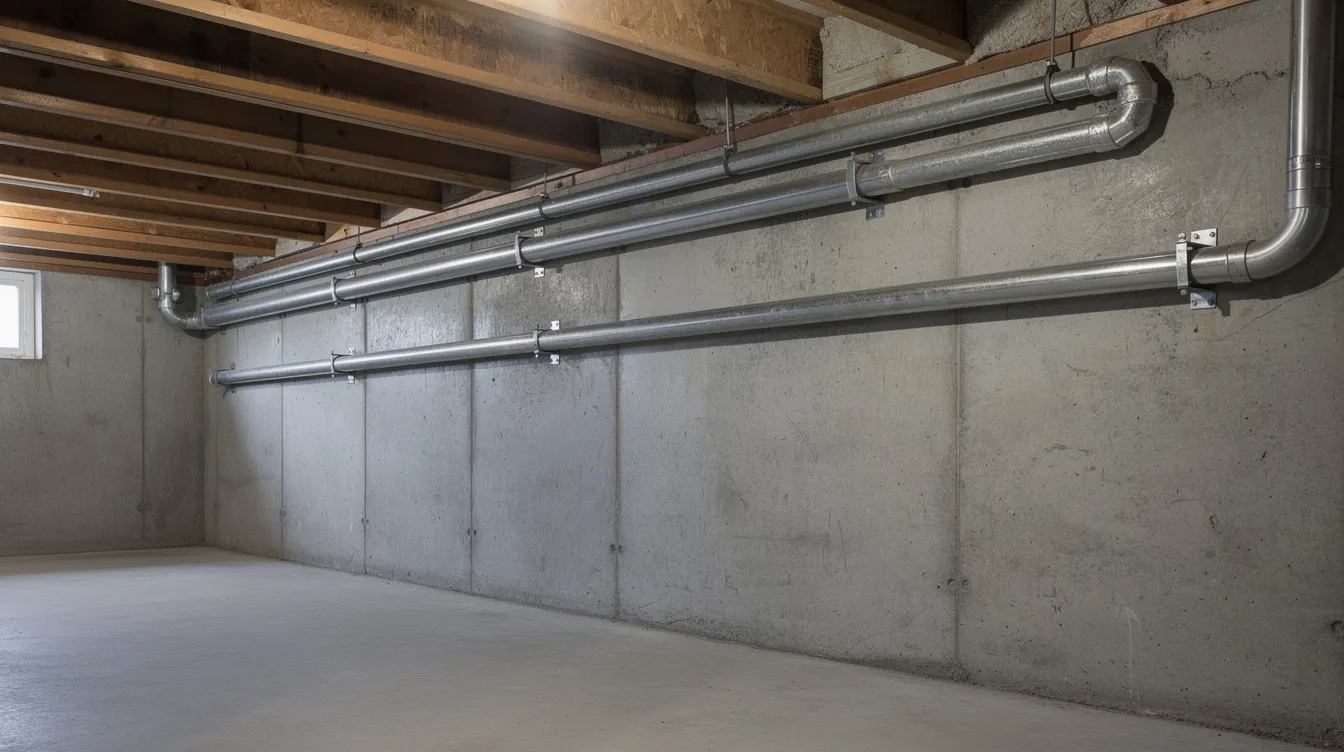
Utah’s dry, cold winters and typical building styles create specific freeze patterns. Many homes in Sandy, Draper, West Jordan, and similar areas have plumbing installed with minimal insulation to reduce construction costs. This means exposed lines in basements, along foundation walls, and through unheated spaces are common trouble spots.
Start tracing your plumbing system from the problem faucet backward toward the main line:
- Check exposed pipes in the basement or unfinished storage rooms
- Inspect crawl space areas where pipes may run near the foundation
- Look at pipes along the ceiling of the basement, especially near exterior walls
Open vanity and kitchen cabinets on outside walls and feel the pipes with a gloved hand. Very cold spots or thin layers of frost indicate where the frozen section likely is.
Visually inspect pipes that run:
- Along basement ceilings
- By garage walls
- Near drafty windows or doors
- Through unheated utility rooms
Look for condensation, frost, or icy patches on the pipe surface.
A helpful trick: turn up your home’s thermostat 3–5 degrees and walk through the house after 15–20 minutes. Rooms or wall areas that still feel noticeably colder than others may indicate poor insulation around pipes or cold air intrusion near your plumbing.
Important: If the suspected frozen pipe is behind finished drywall, ceilings, or tile, do not start cutting randomly. Document the affected area and call a professional who can use inspection equipment to locate the freeze with minimal damage.
In some older Utah homes with galvanized or copper lines, freezes can also occur near the water meter or where the main pipe enters the foundation—areas that typically need specialized equipment to address.
Safe Ways to Thaw Accessible Frozen Pipes
Always thaw slowly and gently. Rushing the thawing process or applying high heat can crack pipes, cause fittings to fail, or even start a fire. Patience prevents further damage and costly repairs.
Before you begin, keep the affected faucets open so melting ice and built-up pressure can escape harmlessly as water flow returns.
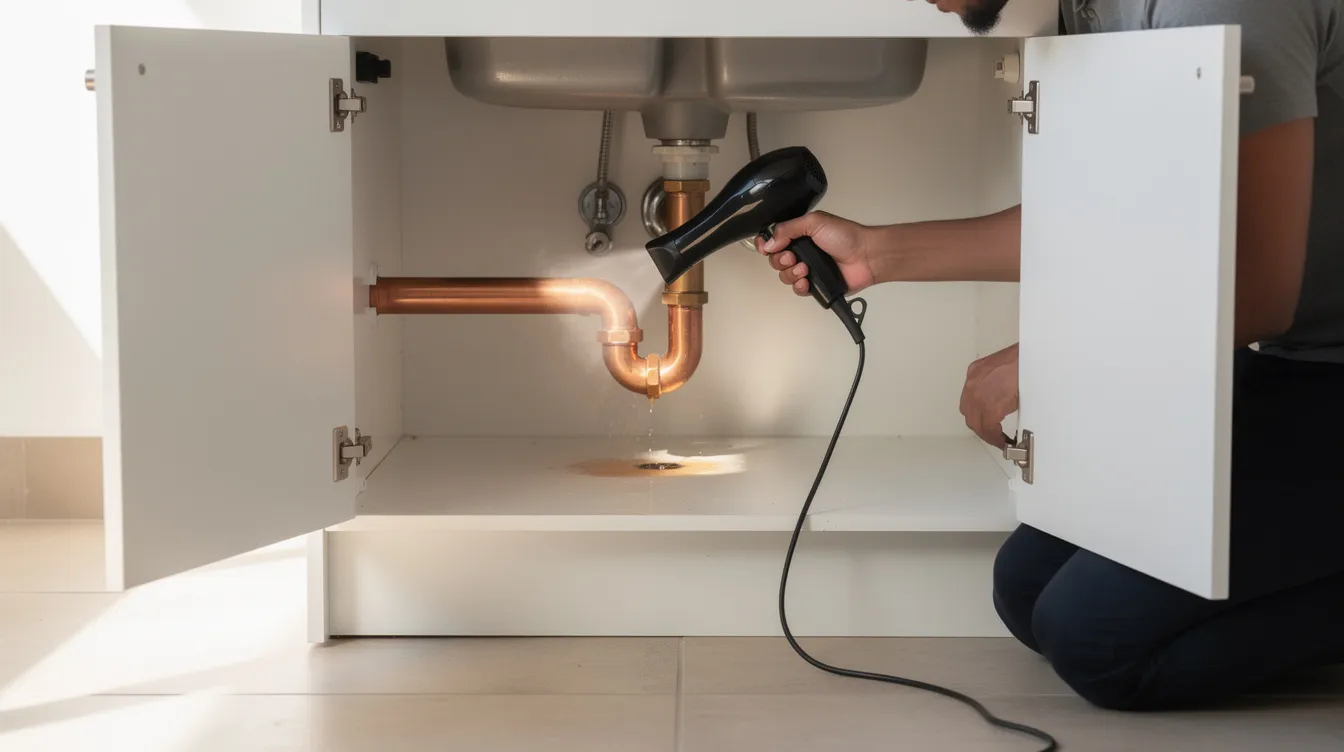
Hair Dryer Method
This is the safest and most common approach for accessible pipes:
- Plug a standard hair dryer into a GFCI-protected outlet
- Set it on low or medium heat
- Move it slowly back and forth along the frozen section
- Start closest to the faucet and work back toward the water supply
- Continue until water flow is restored
Hot Towels Method
For pipes that are hard to reach with a hair dryer:
- Soak towels in very hot tap water (not boiling)
- Wring them out lightly
- Wrap them around the frozen pipe section
- Replace with fresh hot towels every 5–10 minutes
- Continue until water begins flowing
Space Heater Method
For frozen pipes inside cabinets or small utility rooms:
- Place a small electric space heater several feet away from the frozen area
- Keep it clear of flammable materials and combustibles
- Never leave space heaters unattended
- Open cabinet doors to let warm air circulate
Heat Tape Method
For recurring freeze problems:
- Apply UL-listed electrical heating tape or heating cables to exposed pipe sections
- Follow manufacturer instructions carefully
- Do not overlap heat tape or use it on damaged wiring
- These can provide thermostat-controlled warming during cold snaps
What NOT to do:
- Never use open flame or propane torches
- Never use charcoal grills or gas ovens
- Never use kerosene heaters near pipes
- Avoid any heating method that could ignite flammable materials
Thawing may take anywhere from 20 minutes to a couple of hours, depending on how long temperatures have been below freezing and the thickness of the pipe and insulation. South Jordan city guidance suggests that if water flow hasn’t returned after about 45 minutes of safe thawing efforts, it’s time to contact a professional.
Special Considerations for Different Pipe Materials
Utah homes may have copper, PEX, PVC, CPVC, or galvanized steel pipes. Each material responds differently to freezing temperatures and heat application.
Pipe Material: Freeze Behavior: Thawing Considerations
- Copper: Conducts heat quickly, thaws fast: Rigid; can crack under pressure if thawed too rapidly
- Galvanized Steel: Similar to copper: Older joints may be weakened; monitor for leaks
- PEX: Flexible; can expand slightly with ice: Fittings and connections can still fail
- PVC/CPVC: Becomes brittle in cold: Sensitive to high heat; never use direct flame
Copper and galvanized steel conduct temperature quickly, which means they thaw faster but are also rigid and more likely to crack if internal pressure builds during rapid thawing.
PEX tubing can flex slightly as water freezes inside, sometimes preventing burst pipes. However, fittings, connectors, and aged PEX can still fail under extreme cold pressure.
PVC and CPVC pipes are more sensitive to high heat. Never expose them to direct high-temperature sources or open flame, as they can warp or crack.
Always start with the lowest effective heat setting regardless of pipe material. Watch for sweating joints or small drips during the thawing process—these indicate stress on the plumbing system.
If you’re not sure what material your pipes are made of, avoid aggressive thawing methods and consider calling a licensed Utah plumber.
What to Do if You Can’t Reach the Frozen Pipe
Many frozen pipes in Sandy and along the Wasatch Front are hidden inside exterior walls, ceilings, or behind tile. Attempting DIY access in these situations can cause more pipe damage than the freeze itself.
Start with indirect warming methods:
- Turn the thermostat up to at least 68–72°F
- Keep interior doors open throughout the home
- Allow warm air to circulate into cold wall cavities and corners
Place a safe electric space heater in the affected room, positioned several feet away from walls. Let it run under supervision to gradually warm the area around the hidden pipes.
Open vanity and kitchen cabinet doors on outside walls so your home’s heat can reach the pipes inside those cavities.
If water still doesn’t return after 1–2 hours of gentle warming, the freeze may be deeper in the wall, in the main supply line, or in an underground section. Continued DIY efforts at this point risk causing damage to drywall, flooring, or pipe fittings.
Professional plumbers sometimes use:
- Specialized pipe-thawing machines
- Inspection cameras to locate frozen sections
- Small, targeted access holes in drywall for minimal demolition
- Infrared lamps and moisture meters
Warning signs to watch for while warming: If you hear dripping inside walls, notice water stains appearing, or see bulging paint or drywall, shut off the main water immediately. These indicate the pipe has cracked and water is leaking, requiring emergency plumbing services.
When to Shut Off Water and Call an Emergency Plumber in Utah
Certain warning signs mean it’s time to stop DIY thawing and contact a licensed professional who handles emergencies in Sandy and nearby cities.
Call a plumber immediately if you notice:
- Visible cracks in pipes
- Spraying or flowing water from pipes
- Sudden drops in water pressure after thawing starts
- Water pooling around baseboards, ceilings, or in the basement
- Bulging walls or ceilings
- Hissing sounds behind finished walls
How to Shut Off the Main Water
- Locate your main shut off valve (usually where the main line enters the house, near the hot water heater, or in a mechanical room)
- Turn the valve clockwise until it stops completely
- For lever-style ball valves, turn the handle perpendicular to the pipe
- For older round gate valves, turn fully clockwise
If the freeze appears to be in the main line from the street, in the water meter box, or underground, you’ll need professional equipment to address it. Your water provider may also need to be involved for issues at the meter.
Document any damage with photos and notes—record times, locations, and steps you’ve taken. This documentation helps if you need to file an insurance claim for resulting water damage. Most homeowners’ policies expect you to take reasonable preventive steps like maintaining heat, allowing faucets to drip in extreme cold, and responding quickly when a freeze is suspected.
Why Professional Help Matters in Severe Freezes
Multiple-night cold fronts in Utah—especially when lows drop into the teens or single digits—can cause complex freezes throughout a home’s plumbing system. One frozen section often means others are at risk.
Licensed plumbers bring specialized equipment that homeowners don’t have access to:
- Pipe-thawing machines designed for safe, controlled heat
- Inspection cameras to find hidden leaks and frozen sections
- Moisture meters to detect water damage behind walls
- Pressure testing equipment
Professionals can replace cracked sections, repair fittings, and get your entire plumbing system pressurized and tested safely after thawing. An experienced local plumber understands Utah building codes, typical pipe routing in area subdivisions, and the specific freeze risks of basements, split-level homes, and older properties.
Preventing Frozen Pipes in Sandy and Across Utah
Use what you learn from one freeze event to upgrade your home before the next winter. Prevention is always more affordable than repair.
Basic Prevention Measures
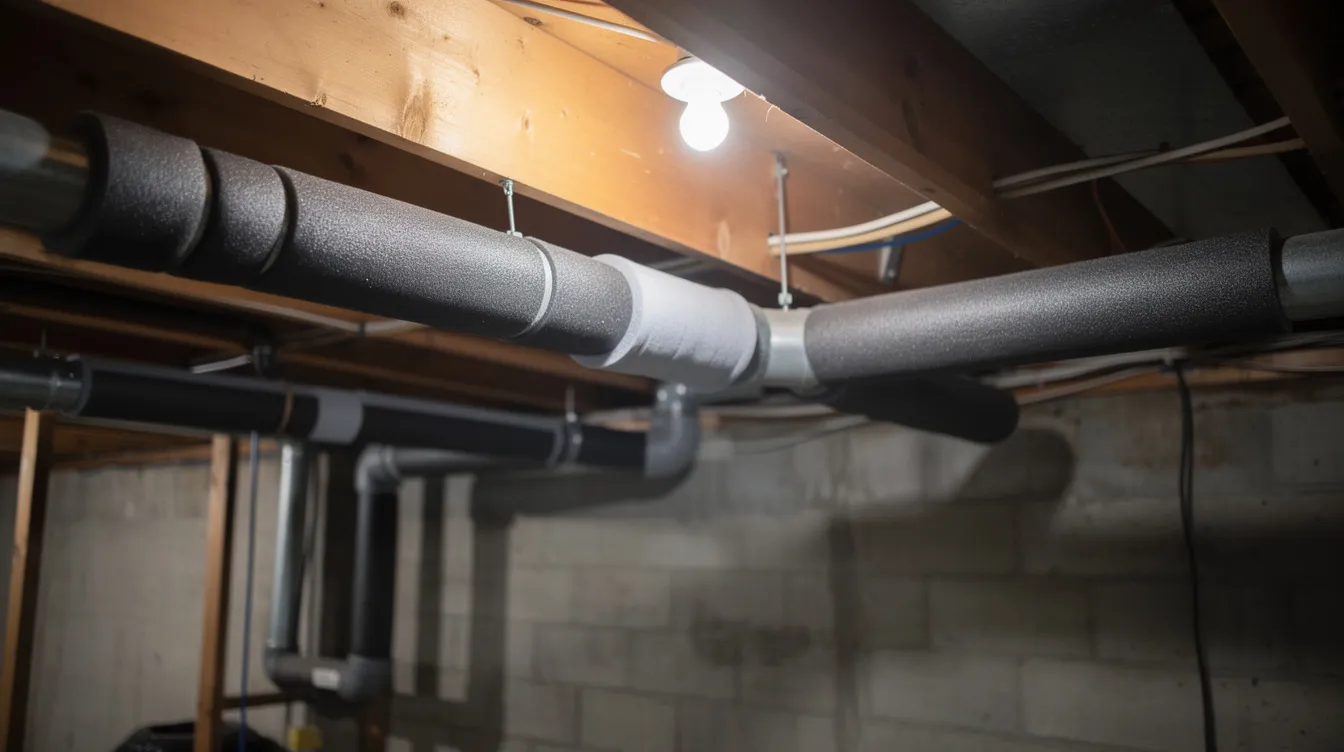
Insulation:
- Add foam insulation to exposed lines in basements, garages, and crawl spaces
- Wrap pipes along exterior walls, especially near foundation vents
- Insulate around rim joists and foundation penetrations
Dripping faucets:
- Let a small stream run from at least one hot and one cold faucet overnight
- Do this when outdoor temperatures are forecast to stay below 20°F
- A pencil-thin stream keeps water moving and prevents freezing
Thermostat settings:
- Keep your home at a consistent temperature day and night during cold snaps
- Never let indoor temps drop below about 55–60°F when lows are in the teens
- Avoid dramatic temperature swings between day and night
Cabinets and interior doors:
- Open sink cabinet doors on outside walls
- Keep interior doors open so warm air circulates freely
- This helps heat reach pipes in wall cavities
Garage doors:
- Keep garage doors closed during freezing weather
- This is critical when water lines run through or above the garage
- Even brief exposure to cold air can start a freeze
Vacations and second homes:
- Keep heat on and have someone check the home regularly
- Alternatively, shut off and drain the water system before leaving
- Never leave a home unheated during Utah winters
Outdoor plumbing:
- Disconnect garden hoses in the fall
- Shut off and drain outdoor faucets and hose bibs
- Winterize sprinkler systems and backflow preventers before the first hard freeze (usually October or early November along the Wasatch Front)
Long-Term Upgrades to Reduce Freeze Risk
If you’re dealing with the same frozen pipe problems year after year, it’s time to consider permanent solutions.
Rerouting plumbing: During remodels or major repairs, move vulnerable lines out of exterior walls and into conditioned interior spaces.
Upgrading materials: Replace old galvanized or brittle PVC lines with more freeze-tolerant materials like PEX-A or PEX-B, which can flex slightly during freeze events.
Improving insulation: Add insulation in attics, crawl spaces, and rim joists to maintain more stable temperatures around pipes throughout winter.
Installing frost-free fixtures: Upgrade to frost-free hose bibs that drain automatically when shut off.
Work with a local plumber to identify chronic problem spots and design a permanent solution rather than dealing with yearly emergencies.
Local Help for Frozen Pipes in Sandy, Utah
If you’re dealing with a frozen or burst pipe right now in Sandy or surrounding communities, you need help fast—not another article to read.
Local, Utah-based plumbers understand our region’s winter patterns, lake-effect cold snaps, and how severe cold affects homes in Sandy, Midvale, Cottonwood Heights, and nearby areas. They know where pipes typically freeze in local subdivisions and what materials were commonly used during different building eras.
A reliable local plumbing company can provide same-day or emergency service during severe cold events, including:
- Thawing frozen lines safely with professional equipment
- Repairing burst pipes and damaged fittings
- Helping dry out wet areas before mold develops
- Recommending preventive upgrades to prevent pipes from freezing again
Homeowners in Sandy looking for help with frozen pipes, leak repairs, or preventive upgrades can reach out to Quick Quality Plumbing for fast, local service.
Save a trusted plumber’s number in your phone before the next cold front arrives. When pipes freeze at 2 AM during a January cold snap, you’ll be glad you planned ahead.
While some minor freezes can be handled carefully on your own with patience and the right approach, never hesitate to call a professional when you’re unsure or see any signs of a leak. The cost of a service call is nothing compared to the thousands of dollars in water damage that a burst pipe can cause in just a few hours.