A bubbling toilet is almost always telling you one thing: air is being forced through the water in your bowl, creating air bubbles, because something is restricting normal flow in your drain or vent system. This can result in a gurgling toilet, which is a warning sign of plumbing problems. The usual culprits fall into three categories—partial toilet clogs, blocked main sewer lines, or a clogged vent stack—and ignoring persistent bubbling or unusual sounds can indicate serious drainage issues that may lead to sewage backup within 24-72 hours.
If only one toilet bubbles, you’re likely dealing with a local clog in that fixture’s trap or branch line. When multiple drains throughout your home (tubs, showers, sinks) start gurgling, suspect a main sewer line issue; if multiple fixtures are gurgling, it may indicate a problem with the main sewer line, possibly blocked by tree roots or grease buildup. If your toilet bubbles specifically when other fixtures drain—like when the shower runs or the washing machine empties—you’re probably looking at a vent problem or shared line obstruction.
Homeowners in Sandy often notice bubbling more frequently after snowmelt or heavy spring storms, when extra water volume stresses older sewer lines. The rest of this article will help you diagnose the cause, decide what’s safe to tackle yourself, and know exactly when to call a licensed plumber.
How a Bubbling Toilet Works: The Plumbing Science in Simple Terms
Think of your plumbing system as a highway with two lanes: drain lines carry water and waste downward, while vent pipes carry air. When either lane gets blocked, air looks for the easiest exit—and that’s often your toilet bowl.
Gravity drain lines are engineered with a specific slope (about 1/4 inch per foot for standard pipes) to move water smoothly at 2-3 feet per second. Plumbing vents allow air to enter the drain system, preventing slow drainage and pressure build-up. When a vent stack is blocked, air escapes through the toilet, causing bubbling or gurgling sounds as trapped air is forced backward through the water seal.
Modern Utah homes typically use 3-4 inch building drains. Even a partial obstruction in these pipes can create enough air pressure disruption to cause toilet bubbling—often before you experience a complete backup.
Most Common Reasons Your Toilet Is Bubbling
Most bubbling issues fall into a predictable set of causes, ranging from simple clogs you can clear yourself to serious underground sewer problems requiring professional equipment. Other possible sources include a drain clog, a blocked drain line caused by debris buildup, or even collapsed pipes that compromise your plumbing system. Understanding each cause helps you respond appropriately. Many of these issues appear in homes 20-40 years old—common housing stock across Utah neighborhoods.
1. Partial Clog in the Toilet or Nearby Drain
A clogged toilet often results from flushing inappropriate items such as paper towels, excess toilet paper, “flushable” wipes (which expand up to 10x in water and aren’t truly biodegradable), feminine products, cotton swabs, children’s toys, and mineral scale from hard water—a common issue in Utah where water often measures 15-20 grains per gallon. These items can cause minor blockages or more severe plumbing issues that lead to bubbling or gurgling sounds.
Symptoms of a partial clog or minor blockage include water rising higher than normal during the flush before slowly draining, occasional gurgling after the bowl refills, and the problem staying isolated to that one fixture.
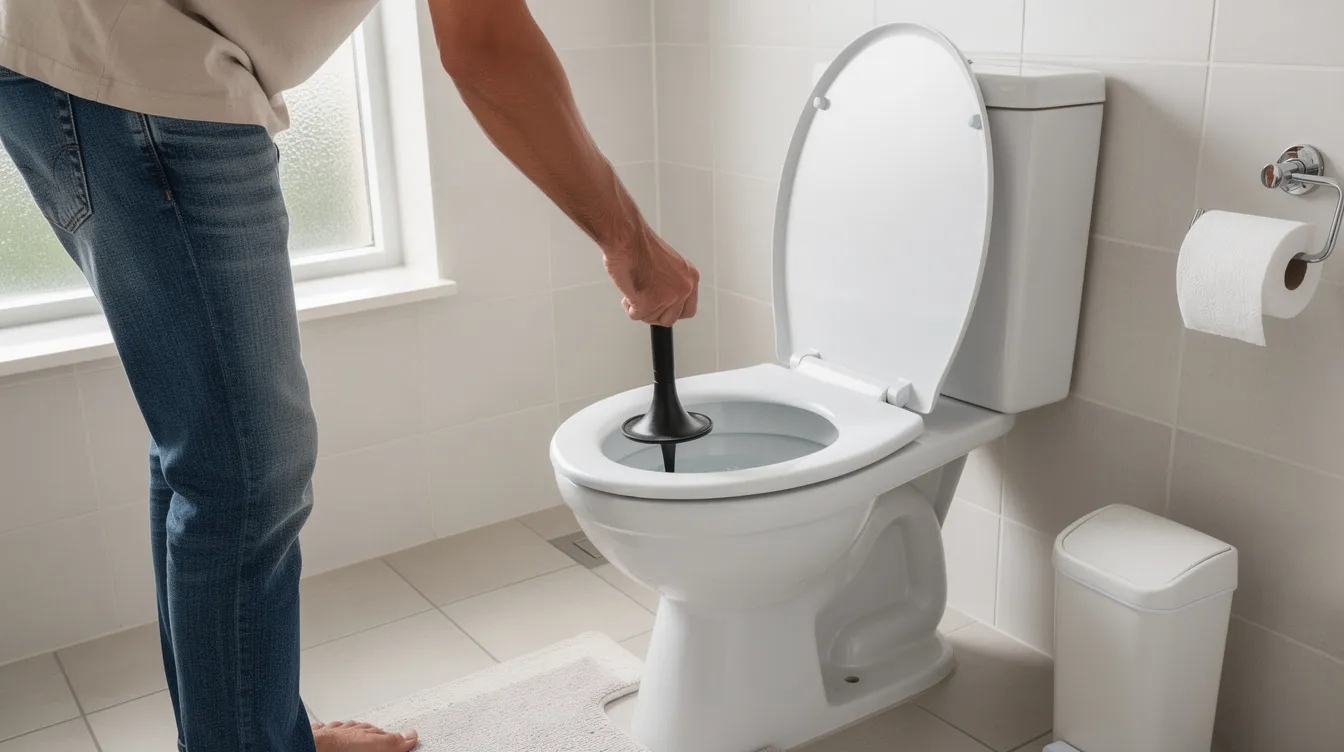
For DIY clearing, start with a high-quality flange plunger, which is especially effective for minor blockages. Create a tight seal and use a steady pumping motion 10-15 times to help dislodge any minor clogs in the toilet trap. If that fails, a toilet auger can reach deeper blockages 3-6 feet into the line. Plunging takes 5-10 minutes and costs nothing; a homeowner-grade auger runs $30-60 at local home centers. Avoid chemical drain cleaners—they generate temperatures up to 200°F, which can corrode cast iron pipes and crack porcelain through thermal shock.
2. Blocked Main Sewer Line
A partial or full blockage in your main sewer line—running from your house to the street or septic tank—causes air and wastewater to backtrack, creating bubbling toilets throughout the home. A main sewer line clog or sewer line clog is a serious sewer line problem that can cause multiple fixtures to gurgle, not just the toilet. Classic warning signs include multiple fixtures draining slowly or gurgling, wetness or odors near basement floor drains, and toilets on the lowest level bubbling first during heavy water use.
In Utah, common causes include tree roots infiltrating clay or older PVC joints (cottonwoods and aspens can penetrate 1/16-inch cracks at 1-2 feet per year), grease buildup from kitchen lines, and pipe sagging from soil movement and freeze-thaw cycles. A professional plumber will typically run a sewer camera through a cleanout to inspect the line, then use camera inspections and hydro jetting (4000 psi, 20 gallons per minute) to diagnose and clear main sewer line clogs or other sewer line problems.
Cost expectations: basic main line clearing runs $250-$600, while complex repairs like pipe replacement can range from $1,500 to $8,000+ depending on depth and access. Homeowners in established Sandy neighborhoods with mature trees should consider preventive inspections every 3-5 years to catch root intrusion early.
3. Clogged or Blocked Vent Stack
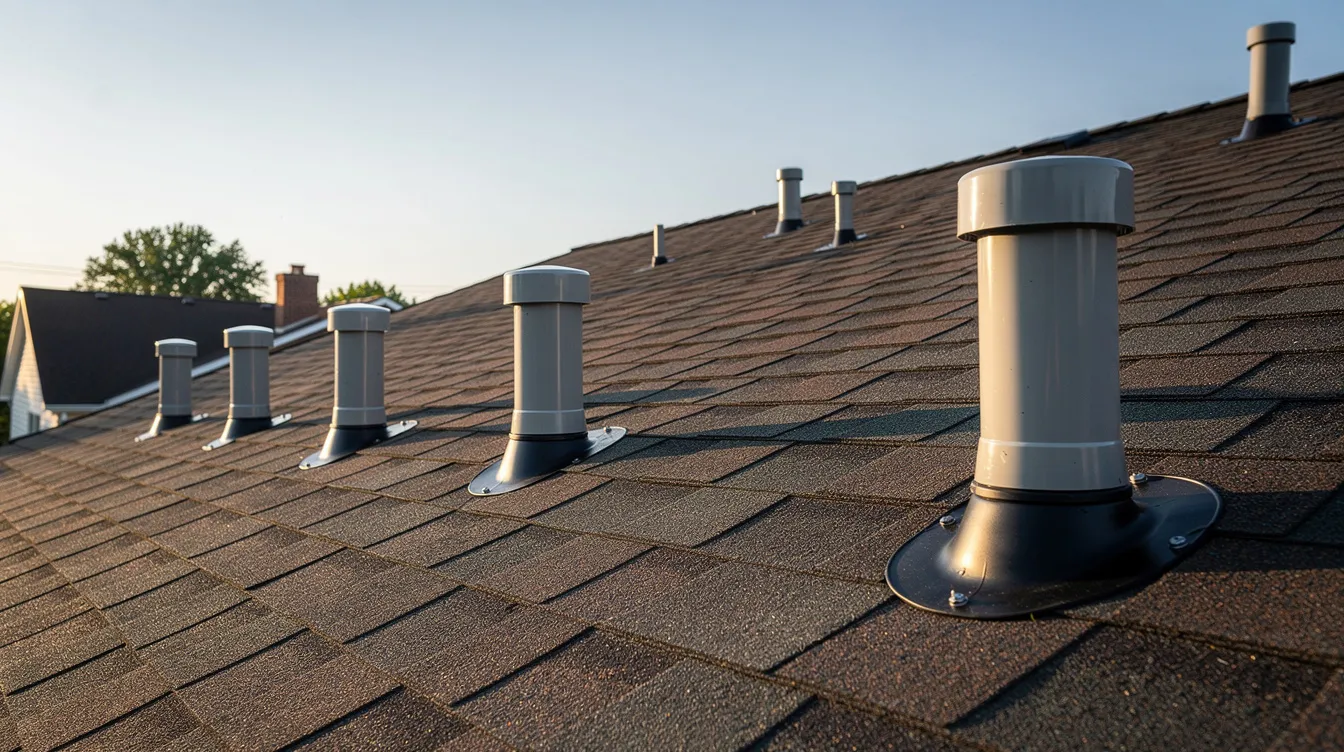
Your vertical vent stack exits through the roof, allowing air into the plumbing system. When it’s blocked, a venting issue or blocked roof vent pipes can create a vacuum that forces air back through the toilet trap, causing gurgling and bubbling. Typical vent blockages include leaves, pine needles, bird nests, wind-blown debris, and ice buildup—Utah winters can form 6-12 inch ice caps on vent openings.
Signs of a blocked vent stack include the toilet bubbling when nearby sinks, tubs, or the washing machine drain, slow drains throughout the house without a complete blockage, and plunging that doesn’t help. Blocked vent pipes can also lead to a buildup of sewer gases in the home, which can pose health risks such as headaches and nausea.
If you’re comfortable on a dry, one-story roof, you can visually inspect the roof vent opening with a flashlight and clear visible debris. Checking for blockages in the roof vent is important for proper plumbing ventilation. To clear debris, you can use a plumber's snake or a garden hose to flush out the vent pipe. However, avoid steep, wet, icy, or snow-covered roofs—hire a professional for vent clearing on multi-story homes or in poor conditions. A plumber can flush the vent, use a small auger, and verify proper airflow.
4. Septic System Backups and Drain Field Problems
For homes on septic systems (common in rural or edge-of-town Utah properties), a full tank or saturated drain field slows wastewater discharge and pushes air and sewer gases back toward the house. Red flags include gurgling toilets with slow drains throughout the home, wet or spongy ground above the drain field, sewage odors near the septic tank lid, and water backing up into fixtures—these are all signs of septic system issues.
Most septic tanks need pumping every 3-5 years—a 1,000-gallon tank serving a family of four typically requires service every 3 years at $300-500. Ignoring septic warning signs can lead to complete system failure costing $5,000-$20,000 to replace. Contact a licensed septic professional promptly if you suspect tank or drain field issues.
5. DIY or Older Plumbing That Wasn’t Vented Correctly
Bathrooms or basement fixtures added without proper permits often lack adequate venting, causing chronic bubbling. Signs include a toilet that gurgles from day one in a new basement bathroom, bubbling primarily when nearby fixtures run, and no clear clogs despite persistent symptoms.
Homes built before the 1980s may have non-standard vent configurations or aging galvanized pipes that no longer meet code. Diagnosing improper venting typically requires smoke testing or camera inspection by a licensed plumber. Code-correct venting corrections can range from several hundred to several thousand dollars depending on complexity.
6. Weather-Related and Seasonal Factors
Heavy rainstorms, rapid snowmelt, or high groundwater can temporarily overload municipal sewers, causing slow drainage and occasional toilet bubbling. Utah’s spring and fall bring saturated soil and fluctuating groundwater that stress older clay or Orangeburg sewer lines.
Mild bubbling immediately after a major storm may resolve within 24-48 hours if no other symptoms appear. However, persistent bubbling or any sewage backup after weather events requires prompt professional assessment. Track when bubbling occurs to help a plumber determine whether the problem is weather-related or structural.
How to Diagnose a Bubbling Toilet Step by Step
A systematic approach can save you time and money. Follow these steps in 15-30 minutes to narrow down the cause.
Step 1: Observe when the toilet bubbles—after flushing, when the shower runs, or when the washer drains. Note how loud it is and whether water levels change. If your shower drains and the toilet bubbles, it may mean both fixtures share a drain line, and air or water is being pushed back into the toilet.
Step 2: Test nearby sinks, tubs, and showers. Flush other toilets. If other drains gurgle or drain slowly, it may indicate a shared issue with the main line or vent.
Step 3: Check other areas for slow draining sinks, sluggish drains, or sewer smells in the kitchen, laundry, or basement. If water drains slowly from sinks or tubs, it could be a sign of a blockage or vent problem.
Step 4: Try safe DIY clearing—use a plunger on the toilet and possibly a drain snake on accessible drains. Skip chemical cleaners.
Step 5: If you have an accessible cleanout or can safely view the septic area, check for overflow signs or wet spots.
If bubbling affects multiple drains or returns within hours after DIY attempts, call a professional plumber. For more home maintenance guidance, Quick Quality Plumbing’s blog offers similar step-by-step troubleshooting for other systems.
Common Mistakes Homeowners Make (That Can Make Bubbling Worse)
Well-intentioned fixes sometimes cause expensive damage or delay proper repairs. Avoid these common errors:
Mistake: Consequence
- Overusing chemical drain cleaners: Can overheat pipes, crack porcelain, corrode metal
- Repeated aggressive snaking: May puncture older clay or cast iron pipes
- Ignoring early warning signs: Leads to full sewage backups costing $5,000+
- Covering exterior cleanouts: Increases labor costs for professional access
Sewer gases contain methane and hydrogen sulfide—while a single bubbling toilet isn’t usually an emergency, persistent strong odors combined with bubbling warrant fast professional attention. In homes all over Utah where basements are common, keeping floor drains clear is critical since they’re the first place sewage emerges during a backup.
Frequently Asked Questions About Bubbling Toilets
Is a Bubbling Toilet an Emergency, or Can I Wait?
A single occasional bubble after flushing isn’t an immediate emergency, but repeated bubbling that gets louder or accompanies slow drains is urgent. Use a 24-hour rule: if bubbling continues despite basic plunging and reduced water use, call a professional plumber.
If water backs up into tubs, showers, or floor drains—or you see visible sewage—treat it as an emergency immediately. Example: a family notices bubbling when the washer drains; by the next day, the basement tub backs up. That’s an immediate professional call.
Why Does My Toilet Bubble When I Take a Shower or Run the Washing Machine?
These fixtures often share a branch line with your toilet. When partially blocked or the vent is restricted, draining water movement displaces air that escapes through the toilet. This indicates either a partial clog in the shared line or a vent stack problem. Try plunging the toilet and clearing the shower drain of hair and soap scum, but if bubbling persists, a professional needs to inspect both the branch line and venting.
Can a Toilet Bubble Even If It’s Not Clogged?
Yes. Many gurgling toilets aren’t directly clogged at the bowl—the problem may be farther down the drain line or in the vent system. Negative air pressure from a blocked vent pulls air through the toilet trap, causing bubbles even when the bowl flushes normally. Main sewer line restrictions also create back-pressure affecting the downstairs toilet first. If plunging doesn’t change the behavior, the issue needs professional evaluation.
How Much Does It Usually Cost to Fix a Bubbling Toilet Problem?
Service: Typical Cost Range
- Simple toilet/branch clog clearing: $150–$350
- Main sewer line cleaning: $250–$600
- Camera inspection: $150–$350
- Major repairs (excavation, pipe replacement): $1,500–$10,000+
Early action while the problem is still minor keeps costs in the lower range. Companies like Quick Quality Plumbing provide upfront estimates after initial inspection.
When to Call a Professional Plumber (And How We Can Help)
DIY steps work for minor issues, but certain signs demand licensed help:
- Bubbling persists beyond 24-48 hours despite plunging
- Multiple fixtures are affected or sewage is backing up
- Strong sewer odors appear, especially on the lowest level
- You suspect septic tank or main line problems
A professional service visit includes on-site assessment, targeted testing like camera inspection or vent checks, and clear explanations of findings and repair options. Homeowners throughout Utah can visit quickqualityplumbingutah.com to learn about plumbing issues and schedule expert help. Residents in Sandy can start with the service page for solutions tailored to Utah soils, weather, and building styles.
Don’t wait for a full backup. Reach out to a qualified professional plumber at the first signs of persistent bubbling—protecting your home and your family’s health is worth the call.