
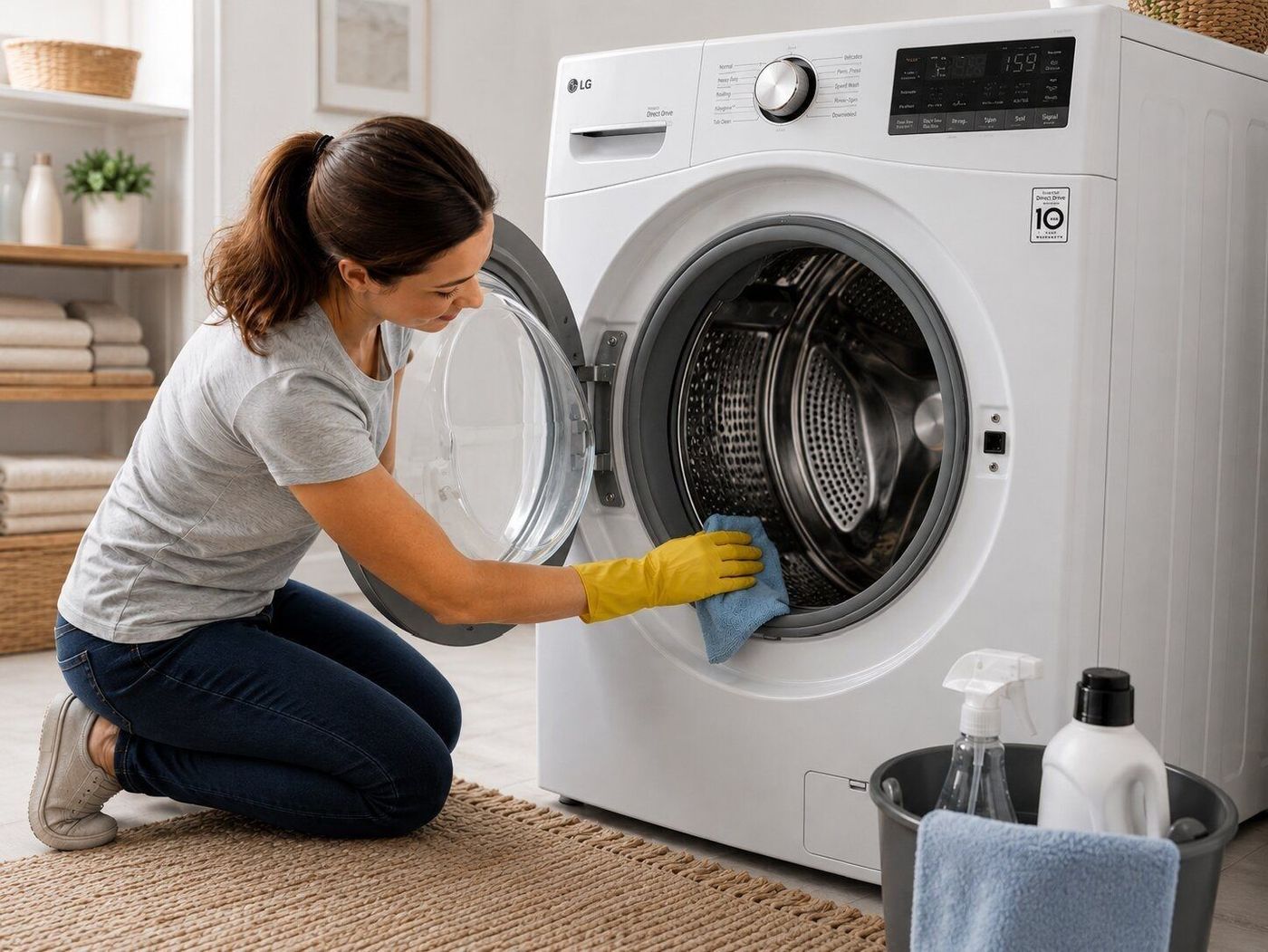
Key Takeaways
- Most sewage-like washing machine smells come from drain plumbing issues or hidden grime inside the washer, not your water supply.
- If the smell appears only during a cycle, the machine likely needs cleaning. If the laundry room always smells, the standpipe, P-trap, or vent pipe may be failing.
- A quick sniff around the standpipe and an empty hot cycle with a cleaner can help you identify the source fast.
- Persistent sewer gas odors are a health and safety concern. If cleaning doesn't fix the problem, contact a professional like Quick Quality Plumbing before a small issue becomes a full emergency.
Why Your Washing Machine Smells Like Sewage
When your washing machine smells like sewage, the problem usually isn't raw sewage flowing through the drum. The odor is caused by sewer gas, a mixture of hydrogen sulfide, methane, and ammonia that can enter the laundry room through compromised drain plumbing or get produced by bacteria thriving inside the machine itself. Even at parts-per-billion concentrations, hydrogen sulfide produces that notorious rotten-egg smell.
There's an important distinction to understand here. A musty, mildew odor typically signals biofilm or mold on internal surfaces. A sharp sewage smell that fills the room, the kitchen down the hall, or even hits you coming through the door points toward a plumbing issue or severe bacterial buildup. The causes generally fall into two categories: problems inside the washing machine and problems in the drain or vent plumbing behind the wall.
Quick Checks: Is It the Washer or the Plumbing?
Before you attempt any fix, spend five minutes diagnosing the situation. These tests will save you hours of effort pointed in the wrong direction:
- Smell timing: If foul smells appear only when the washer drains, focus on the standpipe and P-trap. If the odor is constant, check inside the machine and nearby floor drains.
- Sniff test: Pull the washer gently forward. Lean toward the standpipe opening. If sewage odor is strongest there, plumbing is the likely source.
- Other fixtures: Do nearby sinks or a floor drain also smell like sewage? That points directly to a venting or trap issue, not the washer.
- Weather and use patterns: Odors that appear after heavy rain or long periods of non-use suggest a dry P-trap or a clogged vent stack.
Homeowners in places like Orem, Utah, where basement laundry rooms are common and the semi-arid air dries things out quickly, should pay extra attention. A dry P-trap can allow sewer gases to enter your home in as little as a couple of days of non-use.
Common Washer-Related Causes of Sewage-Like Smells
Even when plumbing is fine, the washer can be the source. Sewage odors can be indicative of buildup in the machine. Soap scum and lint create a perfect breeding ground for bacteria that produce sulfurous gases identical to sewer gas. Here are the most common internal culprits:
- Rubber door gasket: On a front loader, water pools in the seal folds, trapping residue and feeding mildew. Cleaning the rubber door gasket regularly helps eliminate odors.
- Detergent drawer: Liquid softener and detergent residue coat the drawer and its housing, turning into gunk over time.
- Drain pump filter: Clogged pump filters trap lint, coins, and dirty water that stagnates and decays, producing unpleasant odors.
- Drum interior: Biofilm, a slimy mix of bacteria, detergent film, and body oils, clings to the back of the drum where you can't see it.
Research shows over 45% of UK households report washing machine odors, and high-efficiency models are 20% more likely to have odor issues because they use less water and run cooler cycles. Using proper high-efficiency detergent helps prevent odor buildup in washing machines, and overusing standard detergent makes the problem worse.
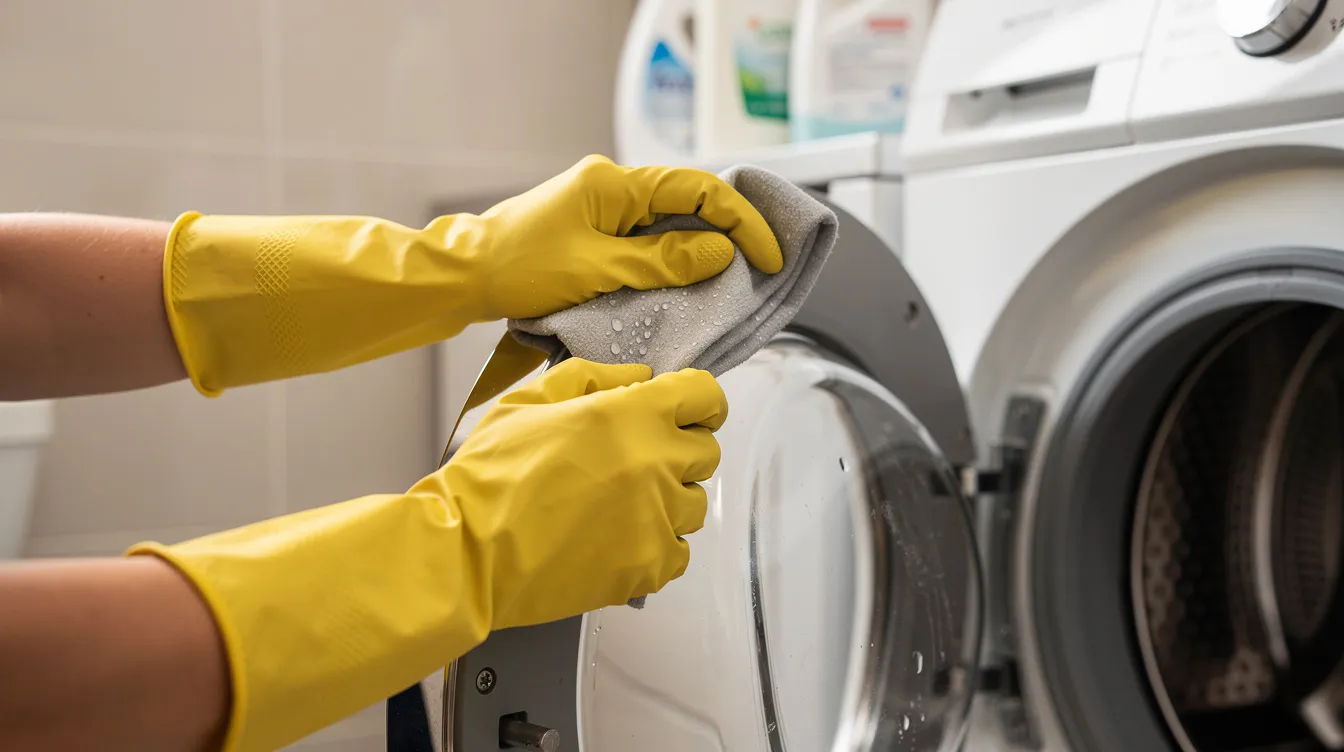
Step‑by‑Step: Deep Cleaning a Washing Machine That Smells Like Sewage
This process takes roughly 60–90 minutes and effectively tackles most internal odor sources.
- Clean the gasket: Peel back the rubber seal folds on a front loader. Give every cranny a thorough scrub with a damp cloth and mild cleaner to remove hidden grime and black residue.
- Scrub the detergent drawer: Pull the drawer out completely, soak it in warm water, and scrub away all visible residue.
- Clear the drain pump filter: Check your owner's manual for access. Remove trapped lint, hair, and debris. Expect standing water when you open it.
- Wipe the drum: Run a cloth along the inside, paying attention to the top rim and any crannies where buildup hides.
- Run a hot cycle: Use vinegar and baking soda to deodorize the washing machine. Pour two cups of white vinegar into the drum and run an empty cycle at 140 °F (60 °C). Never mix bleach with vinegar.
Running a cleaning cycle with vinegar can help eliminate odors from washing machines effectively. If you're not comfortable accessing filters or panels, visit the Quick Quality Plumbing website to schedule a service call.
Plumbing Problems That Make the Laundry Room Smell Like Sewage
If deep cleaning didn't rid the space of the odor, the problem is likely behind the wall. Persistent sewage smells may indicate plumbing issues that require more than a scrub brush.
- Dry P-trap: This U-shaped pipe holds a small water seal that blocks sewer gas. A dry P-trap can allow sewer gases to enter homes, and in dry climates, trap water evaporates fast.
- Clogged standpipe: Clogged drains can cause sewage smells from washing machines. Slow draining, gurgling, or water backing up into the washer hose are red flags.
- Blocked vent stack: If the vent pipe on your roof is clogged by debris or nests, negative pressure can siphon trap water or push sewer gas into the room.
- Drain hose installed incorrectly: A hose shoved too far into the standpipe bypasses the air gap and can let gas flow directly into your laundry room.
A licensed plumber in Orem can inspect standpipes, traps, and vents with camera equipment if DIY checks don't reveal the source.
DIY Fixes You Can Safely Try Before Calling a Plumber
These low-risk steps require no special tools:
- Refill the P-trap: Pour 2–3 cups of clean water into the standpipe and any floor drain. Add a tablespoon of mineral oil on top to slow evaporation. Monitor for 24–48 hours.
- Clean the standpipe: Pour one cup of baking soda followed by two cups of white vinegar, then flush with hot water. This handles minor buildup only.
- Check the drain hose: Make sure it's not pushed too deep into the standpipe. Drain hose installation can affect backflow and gas leaks if not properly vented. Maintain a proper air gap per the manufacturer's instructions.
If sewage or dirty water is visibly backing up inside the washing machine, stop using the appliance and contact Quick Quality Plumbing Services in Sandy immediately.
When to Call a Professional Plumber
Ignoring sewage smells can lead to major plumbing emergencies. Professional help is needed for complex plumbing issues, and some situations are easy to identify:
- Sewage smell spreads throughout the home, not just the laundry room
- Odors keep returning within days of cleaning
- Water visibly backs up into the washer or onto the floor
- Gurgling sounds come from nearby sinks or toilets when the washer drains
- You notice damp spots or leaks behind the washer or along the wall
A professional can run camera inspections, perform smoke testing on vents, and handle mechanical drain cleaning, things that are beyond safe DIY action. Basic accessible pipe repairs typically run $150–$400, while concealed or structural repairs can reach $1,000–$4,000+. Early intervention almost always costs less. For a look at the kind of detailed plumbing work involved, check out Quick Quality Plumbing's guide on how to drain a gas water heater.
Preventing Future Washing Machine Smells
Regular cleaning prevents sewage smells in washing machines and keeps bacteria and mildew buildup from returning. Here's a simple maintenance roll to follow:
- Weekly: Wipe the gasket and detergent drawer. Leave the washing machine door open after use to prevent odors and let air circulate.
- Monthly: Run an empty hot cycle with a washer cleaner or vinegar.
- Every 3–6 months: Inspect visible plumbing, including the standpipe, hoses, and shutoff valves, for corrosion, damp spots, or slow drainage.
- Ongoing: Use the correct amount of high-efficiency detergent. Avoid running only cold cycles. If the machine sits unused ahead of a vacation, pour water into the P-trap before you leave.
A small amount of consistent maintenance will protect your home from the kind of situation that turns a minor odor into a costly repair.
Frequently Asked Questions
Why does my washing machine smell like sewage only when it drains?
A sewage smell during draining usually means sewer gas is being pushed up through the standpipe or P-trap as large volumes of water discharge quickly. The key thing to check is whether the trap has enough water to maintain its seal and whether the drain hose position allows a proper air gap. If you hear gurgling from nearby sinks or toilets at the same time, that's a strong indicator of a venting problem. Turn off the machine and consult a plumber before the next cycle.
Is a sewage smell from my washer dangerous?
Brief, mild odors from biofilm are mostly unpleasant rather than harmful. However, persistent sewer gas in a laundry room is a security concern because it can contain methane and hydrogen sulfide. Methane is flammable, and H₂S irritates the respiratory tract. Ventilate the area, avoid open flames, and treat it as a safety issue that requires professional evaluation rather than just an air freshener.
How long should it take to get rid of a washing machine sewage smell?
If the cause is internal grime, a thorough deep clean and one or two hot maintenance cycles can noticeably reduce the odor within a day. Plumbing-related smells may take 24–72 hours to fully clear after you fix the underlying issue, as residual gases need time to dissipate. If there's no improvement after that timeframe, you're likely dealing with a deeper problem that needs professional diagnosis.
Can I use regular drain cleaner in the washing machine standpipe?
Harsh chemical drain cleaners are generally not recommended for routine use. They can damage older cast iron or galvanized pipe materials and often fail to clear deeper obstructions. For light buildup, the baking soda and vinegar method highlighted earlier works well. For recurring clogs or any sign of sewage backup, mechanical cleaning by a licensed plumber is the safer and more effective approach. Learn what your specific plumbing material can handle before pouring anything down the drain.
Should I replace my washer if the smell keeps coming back?
Most washing machine smell issues are solvable through cleaning and plumbing repair. In fact, replacing the appliance alone will not fix a bad drain or vent. Consider replacement only if the machine is already near the end of its typical 10–12 year lifespan and has other mechanical problems. The smarter action is to get a professional opinion first. Many homeowners have posted about buying a new washer only to discover the same odor returning because the real problem was in the plumbing all along. Contact a qualified plumber to confirm the source before spending on a new machine.